Attic Water Damage Cleanup
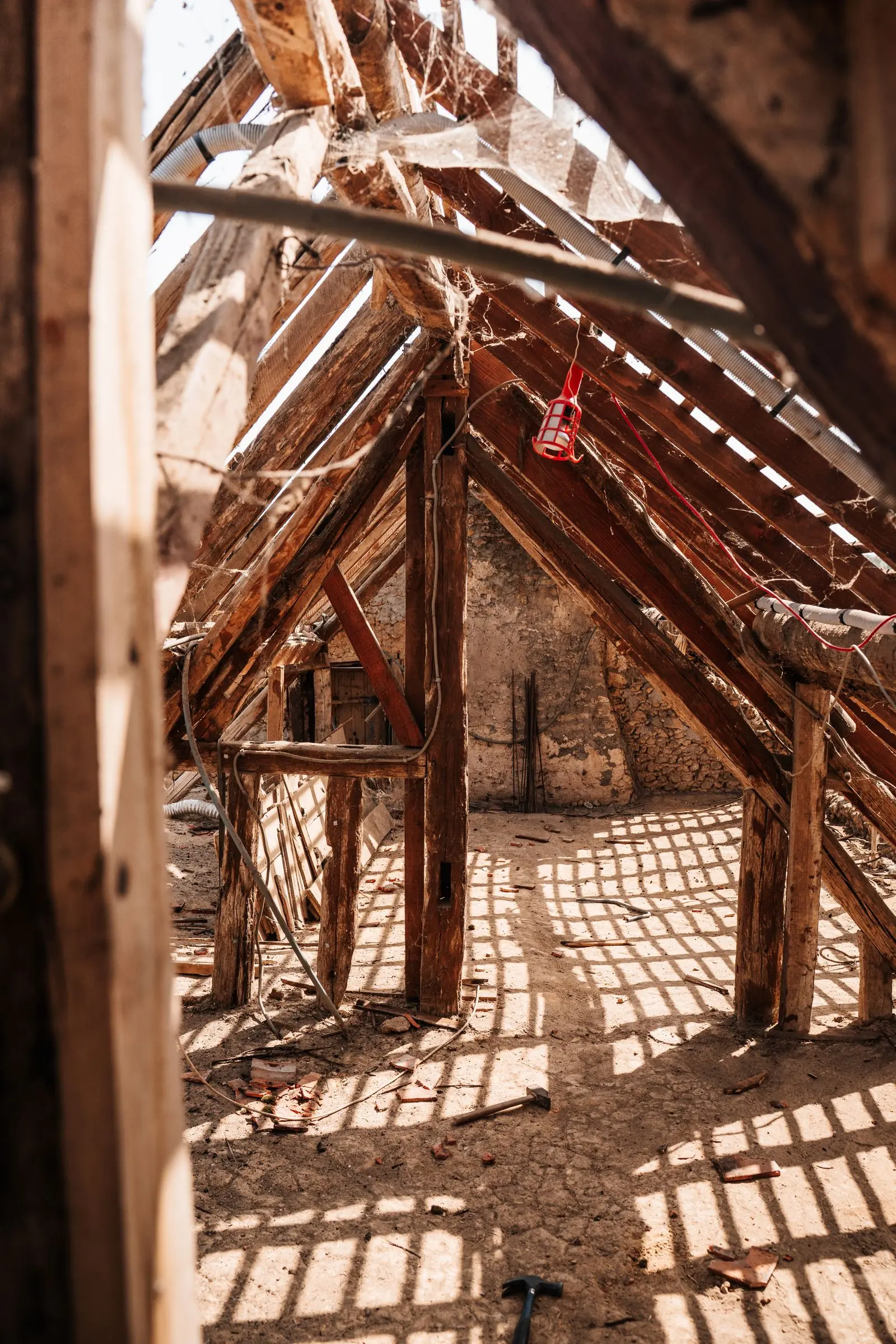
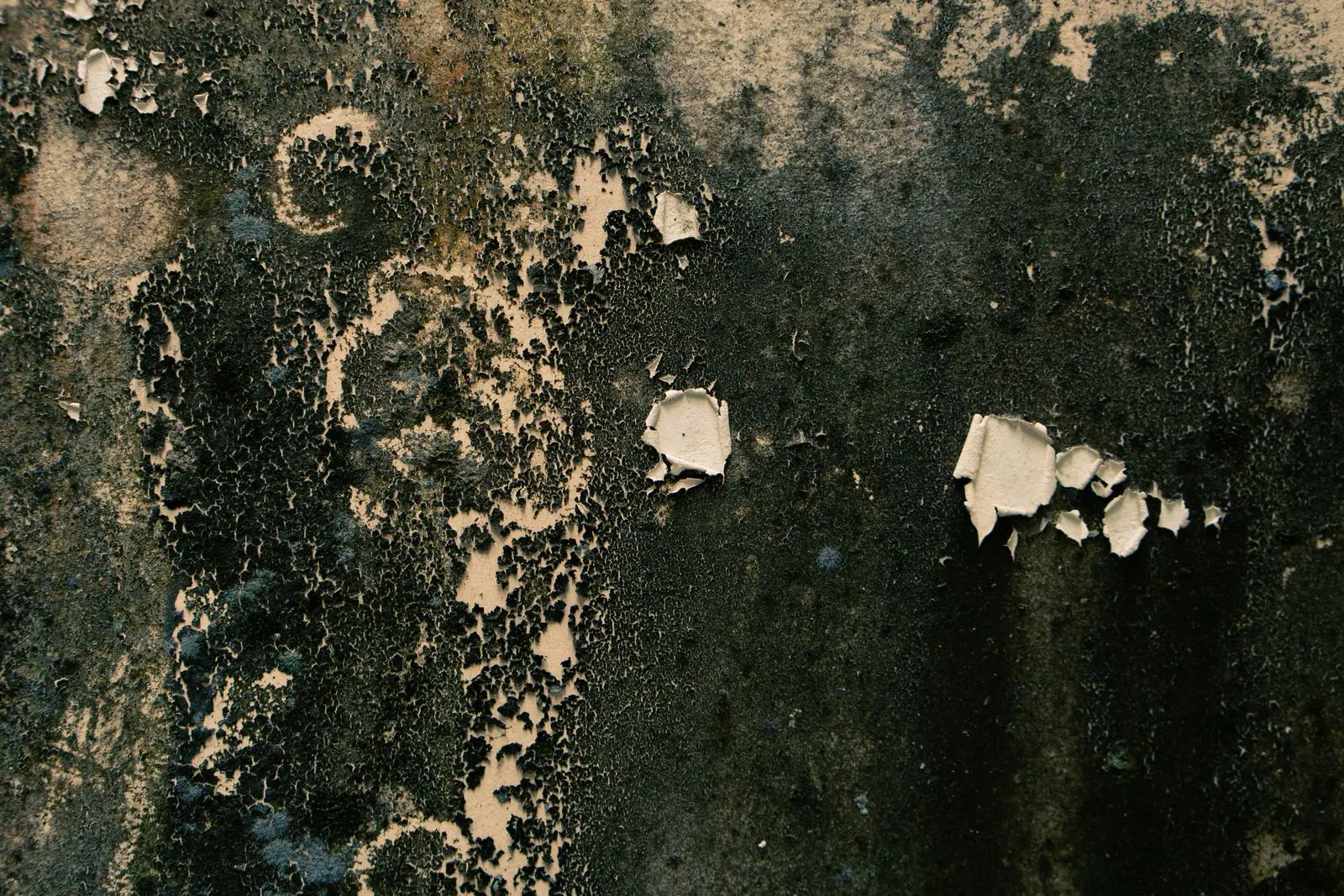
Complete attic water damage cleanup for Taylor homes: debris and damaged-material removal, surface sanitizing, and preparation for the drying phase.
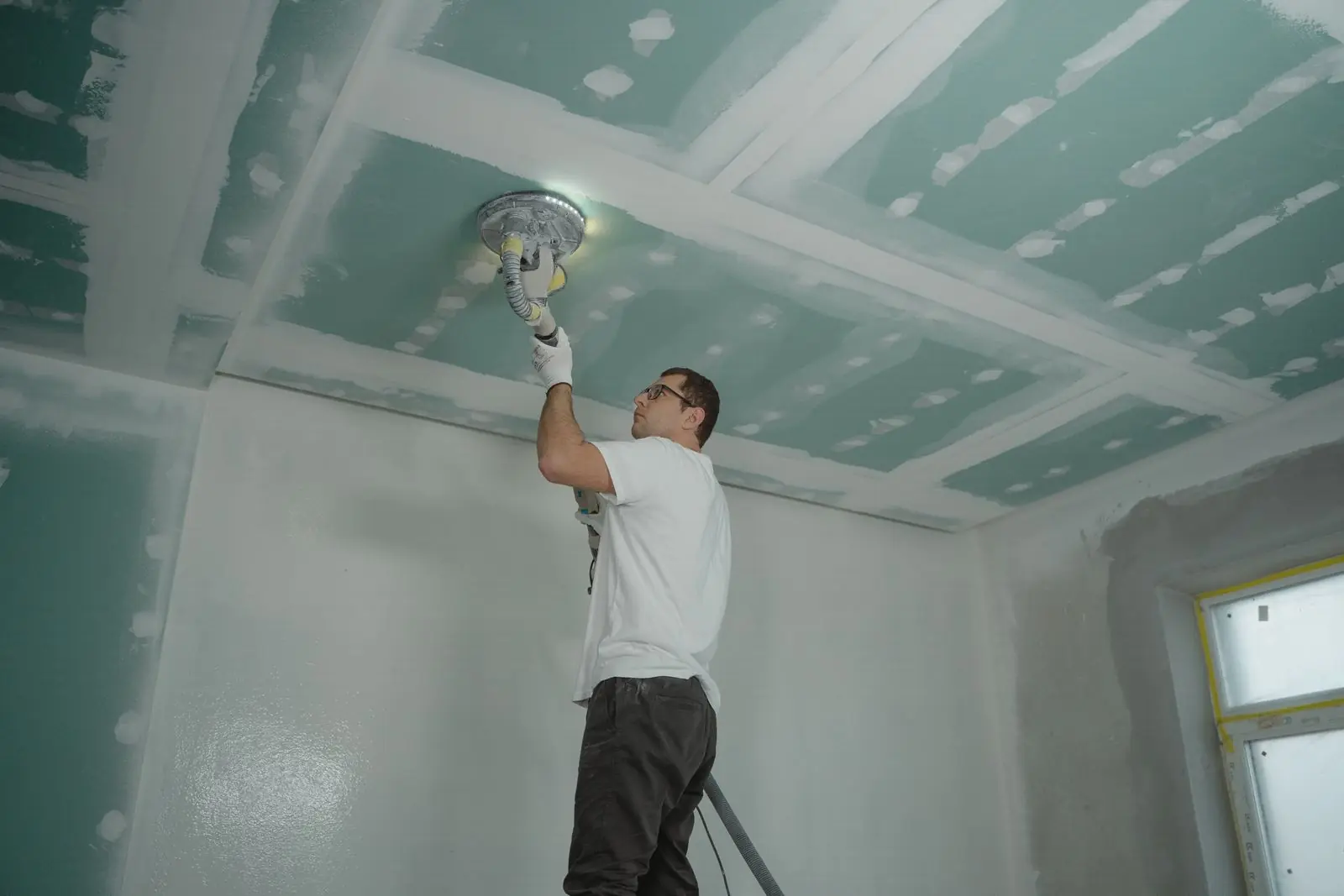
Full attic restoration for Taylor homes: rebuilding damaged framing, decking, and drywall, then installing new insulation to reach pre-loss condition.
Request an InspectionCall (888) 853-1821
Attic Water Damage Restoration in Taylor, TX
A proper restoration follows the mitigation work in a strict order. In Taylor, structural repairs come first: damaged roof decking is replaced, compromised rafters, joists, or trusses are repaired or sistered, and fasteners and connectors are addressed. Only then do drywall, finishing, and insulation follow. Skipping ahead, for example insulating over damaged framing, buries problems instead of fixing them.
MH Attics sequences each tradeincluding nearby Hutto, Granger and Coupland so the Taylor attic is rebuilt correctly from the structure outward. Every phase is verified before the next begins, which keeps the project on track and avoids rework. Homeowners get a restoration that holds up because each layer was built on a sound layer beneath it. That discipline is what makes a Taylor restoration last for decades rather than years.
Attic water damage restoration in Taylor is the full rebuild of the attic to its pre-loss condition after mitigation is complete. It includes repairing or replacing damaged roof decking, rafters, joists, and trusses; replacing water-damaged drywall on attic walls and ceilings below; and coordinating the installation of new insulation. Where finishes were affected, restoration includes the finish work that makes the space whole.
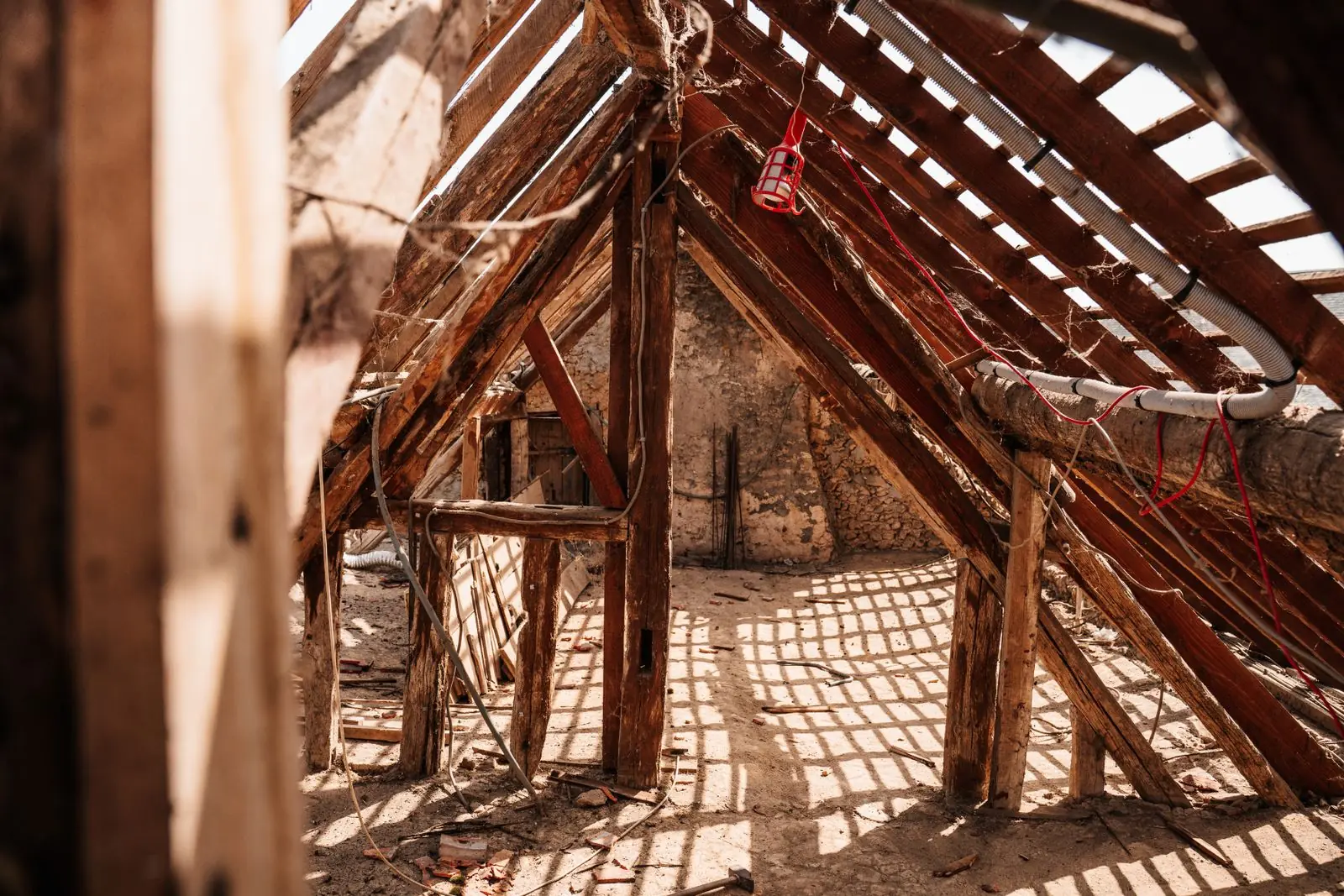
Restoration is the last major phase of the project. In Taylor, it begins only after extraction, cleanup, and drying have brought the structure to verified dry goals: rebuilding over wet or contaminated material would trap problems inside the new work. MH Attics treats restoration as construction, planned and sequenced, so the finished attic is structurally sound and ready for normal use. In Taylor, that construction-first mindset is what separates restoration from quick fixes.
Roof decking in a Taylor attic that has rotted, delaminated, or softened from prolonged water exposure is cut out and replaced with new sheathing matched to the existing thickness. Damaged sections are removed back to solid material, and the new decking is fastened to current standards. In Taylor, this work is coordinated with the roofing above so the attic and the roof act as one system again.
Framing repairs depend on the member and the damage. In Taylor, a partially compromised rafter or joist can often be sistered, with a new member fastened alongside the old one to restore strength, while severely rotted or broken members are replaced outright. Truss repairs follow the specific requirements of truss construction. MH Attics documents all structural work so the restoration record is complete and traceable.
Water-damaged drywall in a Taylor attic, or on the ceilings of rooms below it, softens, sags, and crumbles, and it does not recover once dried. Restoration includes cutting out the damaged sections back to sound material, installing new drywall, taping, mudding, and finishing the surface to match the surrounding area. In Taylor, ceiling drywall below the attic often needs attention even when the attic floor above looks intact.
Finish work in the Taylor attic extends to trim, access panels, and any painted surfaces affected by the water event. MH Attics completes these details as part of the restoration scope rather than leaving them for the homeowner to chase separately. The goal is a finished space with no visible trace of the damage, not a structural repair with cosmetic loose ends. In Taylor, that finished quality is what homeowners remember long after the project ends.
New insulation goes in near the end of the restoration sequence in Taylor, after all structural and drywall work is complete and the attic is verified dry. Installing insulation earlier would bury fresh repairs where they cannot be inspected and would risk trapping construction moisture. MH Attics coordinates insulation as the final major step before project closeout.
The replacement insulation for a Taylor attic is selected for the space: fiberglass batts, blown cellulose, or mineral wool, installed to the depth and coverage the home requires. Because the attic was stripped during mitigation, restoration is also the right moment to correct old deficiencies like thin coverage or missing air sealing details. The result is an attic that insulates as well as, or better than, it did before the water event. That improvement is a genuine silver lining for Taylor homeowners.
Restoration timelines in Taylor depend on the scope of structural damage. Replacing a section of decking and drywall with new insulation may take a week; widespread framing repairs across a large attic can extend to several weeks. Material lead times and the sequencing of structural, drywall, and insulation work all factor into the schedule.
MH Attics serving Taylor provides a project timeline after the assessment phase, when the full scope is documented. Because restoration starts from a dry, clean, measured baseline, there are fewer surprises mid-project than when rebuild work begins prematurely. Homeowners get a realistic schedule built on known conditions rather than optimistic guesses, and progress is tracked against it through completion. That transparency matters in Taylor, where restoration scopes vary widely and homeowners deserve a clear picture of the work ahead.
Complete attic water damage cleanup for Taylor homes: debris and damaged-material removal, surface sanitizing, and preparation for the drying phase.
Controlled structural drying for Taylor attics using air movers, dehumidifiers, and daily moisture-meter monitoring to verified dry goals.
Measure moisture in attic rafters, joists, trusses and decking, then dry the structure in place to verified standards.
Inspect, contain and remediate attic mold growth after water damage, then fix moisture sources to prevent its return.
Safe evaluation and removal of saturated attic insulation in Taylor homes: containment, disposal, and preparation for new insulation.
What drives attic water damage repair costs in Texas, and how to plan.
What homeowners can safely handle themselves, and what needs a professional.
Fixing the roof but leaving wet insulation behind creates bigger problems later.
Mitigation in Taylor stops ongoing damage: extraction, cleanup, insulation removal, and drying. Restoration rebuilds what was destroyed: decking, framing, drywall, and new insulation. MH Attics completes mitigation first so restoration construction starts on a dry, documented foundation rather than covering up active problems.
Attic restoration in Taylor covers the interior structure: decking underside, framing, drywall, and insulation. The exterior roof surface, including shingles, flashing, and outer decking layers, is roofing work that should be addressed so the leak source is fixed. MH Attics coordinates the attic rebuild with the roof repair timeline.
The goal is pre-loss condition: structurally sound, finished, and insulated as before the water event in Taylor. In practice, restored attics often perform better than before, since the rebuild corrects old deficiencies like thin insulation or deteriorated decking that predated the damage.
No. In Taylor, building over damp framing or decking traps moisture inside new work, leading to mold growth and decay behind fresh materials. MH Attics verifies drying goals with moisture meter readings before restoration begins, which protects the investment in the rebuild.
Need attic water damage restoration in Taylor, TX? Call (888) 853-1821 to schedule an attic inspection.