Attic Water Extraction
Fast standing-water removal for Schertz attics using pumps and wet vacuums, plus guidance on what drying and cleanup follow next.

Controlled structural drying for Schertz attics using air movers, dehumidifiers, and daily moisture-meter monitoring to verified dry goals.
Request an InspectionCall (888) 853-1821
Attic Drying in Schertz, TX
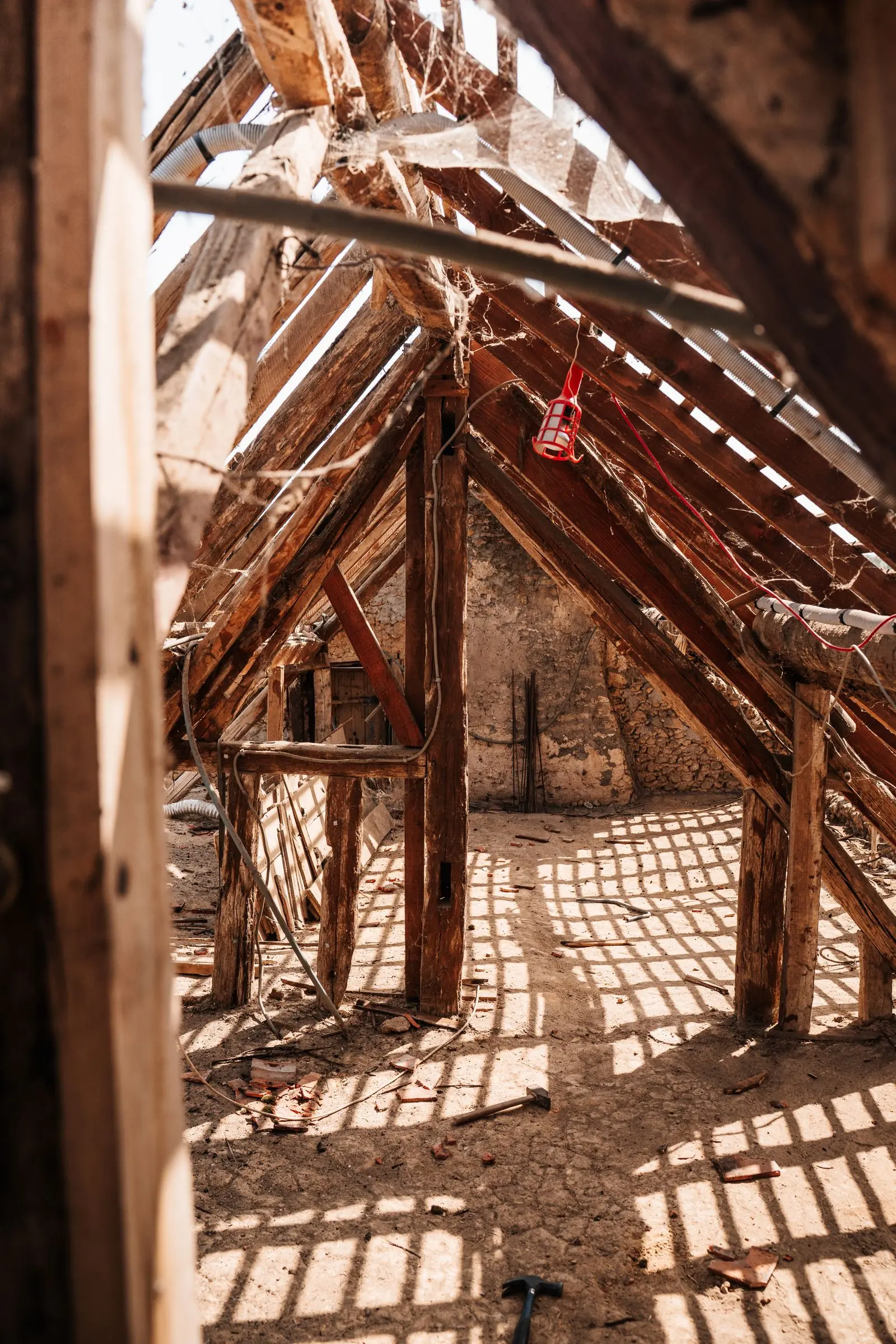
Attic moisture in Schertz comes from more than dramatic leaks. Slow roof drips, failed flashing, condensation from HVAC equipment, and even humidity trapped by blocked soffit or ridge vents can saturate framing over time. By the time the source is fixed, the wood may hold far more moisture than it appears to from a visual check.
Drying addresses that hidden moisture directly. MH Attics sets up drying equipment matched to the attic volume and the moisture load, then tracks the structure back to a dry standard. Fixing the source stops new water from arriving; drying removes what is already inside the wood. Both steps are required for a lasting result. MH Attics handles the drying side in Schertz while the homeowner arranges the separate source repair.
Professional attic drying in Schertz works by combining three elements: air movement, dehumidification, and monitoring. High-velocity air movers push dry air continuously across wet rafters, joists, and roof decking, accelerating evaporation from the wood surface. Dehumidifiers capture that evaporated moisture from the air so it does not resettle on the structure. Moisture meters then measure the actual water content inside the wood.
The process is managed, not set-and-forget. In a Schertz attic, technicians take baseline readings before equipment goes in, check progress daily, and reposition air movers as different areas dry at different rates. MH Attics keeps equipment running until readings across the full attic reach the established dry goal. That closed loop of measure, dry, and re-measure is the core of professional structural drying. Homeowners in Schertz can follow along through the logged readings at each visit.
Air movers are the workhorses of attic drying in Schertz: compact, high-velocity fans positioned to drive continuous airflow across wet framing and decking surfaces. In a cramped attic, placement matters as much as power, since air must reach behind ductwork, into eave corners, and along every wet structural member. MH Attics maps airflow paths so no wet section sits in still air. That planning step takes real expertise in cramped Schertz attics.
Dehumidifiers handle the moisture the air movers liberate. In Schertz, refrigerant or desiccant dehumidifiers sized to the attic volume pull water vapor from the air and drain it away, keeping humidity low enough for evaporation to continue. Moisture meters, in pin and pinless types, provide the readings that guide the whole operation. Together, the three tools turn a wet Schertz attic into a controlled drying chamber.
A drying goal is the target moisture content the wood must reach before equipment is removed. In Schertz, goals are set from readings taken in unaffected wood within the same attic or from established standards for the material, typically the moisture content of dry wood in that environment. The goal is a number, not a feeling: drying continues until meter readings hit it. In Schertz, guessing at dryness is what leads to callbacks and repeat work.
Verification in a Schertz attic means documented readings from multiple points: different slopes, shaded versus sun-facing areas, dense framing versus decking. MH Attics logs these readings through the drying process so progress is traceable. Only when readings across the attic consistently meet the goal is drying declared complete. That documentation also supports insurance claims tied to the water damage event. Coverage depends on the policy, the cause of the loss, exclusions, deductibles and the circumstances; we are not adjusters and cannot promise how your carrier will rule.
Drying time in a Schertz attic depends on several factors. The starting moisture load matters most: framing soaked for weeks takes longer than wood wet for a day. Dense structural members like large joists and beams release moisture more slowly than thinner decking. Texas summer heat can help evaporation but also raises humidity, which dehumidifiers must overcome. That interplay is why Schertz drying timelines are given as ranges rather than promises.
Attic layout plays a role too. In Schertz, attics with limited access, extensive ductwork, or blocked soffit and ridge vents restrict airflow and slow the process. MH Attics typically sees drying phases of three to seven days, though heavily saturated structures take longer. Daily meter readings determine the actual endpoint: equipment stays until the numbers, not the calendar, say the attic is dry.
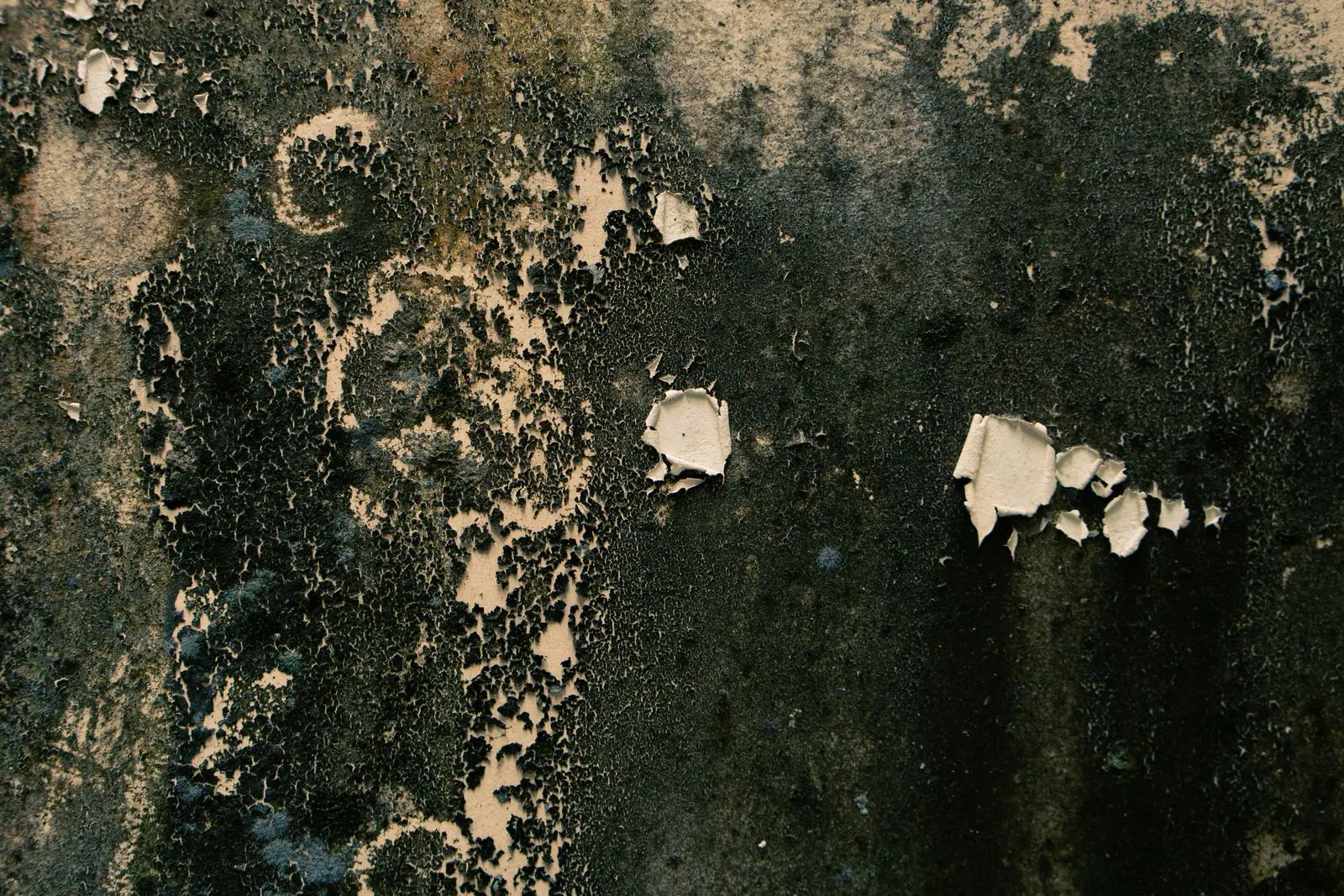
Secondary damage is the harm that happens after the initial water event: mold growth on damp wood, wood decay in persistently wet framing, corrosion on metal connectors and fasteners, and musty odors that migrate into living spaces. In Schertz, these problems develop when residual moisture is left in the structure because drying was skipped, rushed, or unverified.
Proper drying in Schertz removes the moisture that feeds all of these issues before they start. By bringing rafters, joists, and decking down to verified dry goals, MH Attics eliminates the damp conditions mold needs and stops the slow deterioration of wet wood. Drying is the phase that protects the investment made in cleanup and makes the restoration phase that follows a permanent fix rather than a cover-up. In Schertz, it is the most cost-effective phase of the entire project.
Fast standing-water removal for Schertz attics using pumps and wet vacuums, plus guidance on what drying and cleanup follow next.
Measure moisture in attic rafters, joists, trusses and decking, then dry the structure in place to verified standards.
Safe evaluation and removal of saturated attic insulation in Schertz homes: containment, disposal, and preparation for new insulation.
Inspect, contain and remediate attic mold growth after water damage, then fix moisture sources to prevent its return.
Full attic restoration for Schertz homes: rebuilding damaged framing, decking, and drywall, then installing new insulation to reach pre-loss condition.
How moisture, time, and material conditions affect mold growth after an attic leak.
Wet attic insulation: when it can be dried and when it must be removed.
What drives attic water damage repair costs in Texas, and how to plan.
No. Controlled drying in Schertz uses airflow and dehumidification, with no heat high enough to damage wood, no chemicals applied to the structure during this phase. Equipment is positioned to avoid stressing framing or ductwork. The process simply accelerates what would happen naturally, under measurement and control.
Possibly. In Schertz, even a small leak can saturate framing if it ran for weeks unnoticed. MH Attics recommends moisture meter readings to decide: if the wood reads at normal dry levels, no drying is needed; if readings are elevated, controlled drying prevents the secondary damage a small leak can still cause.
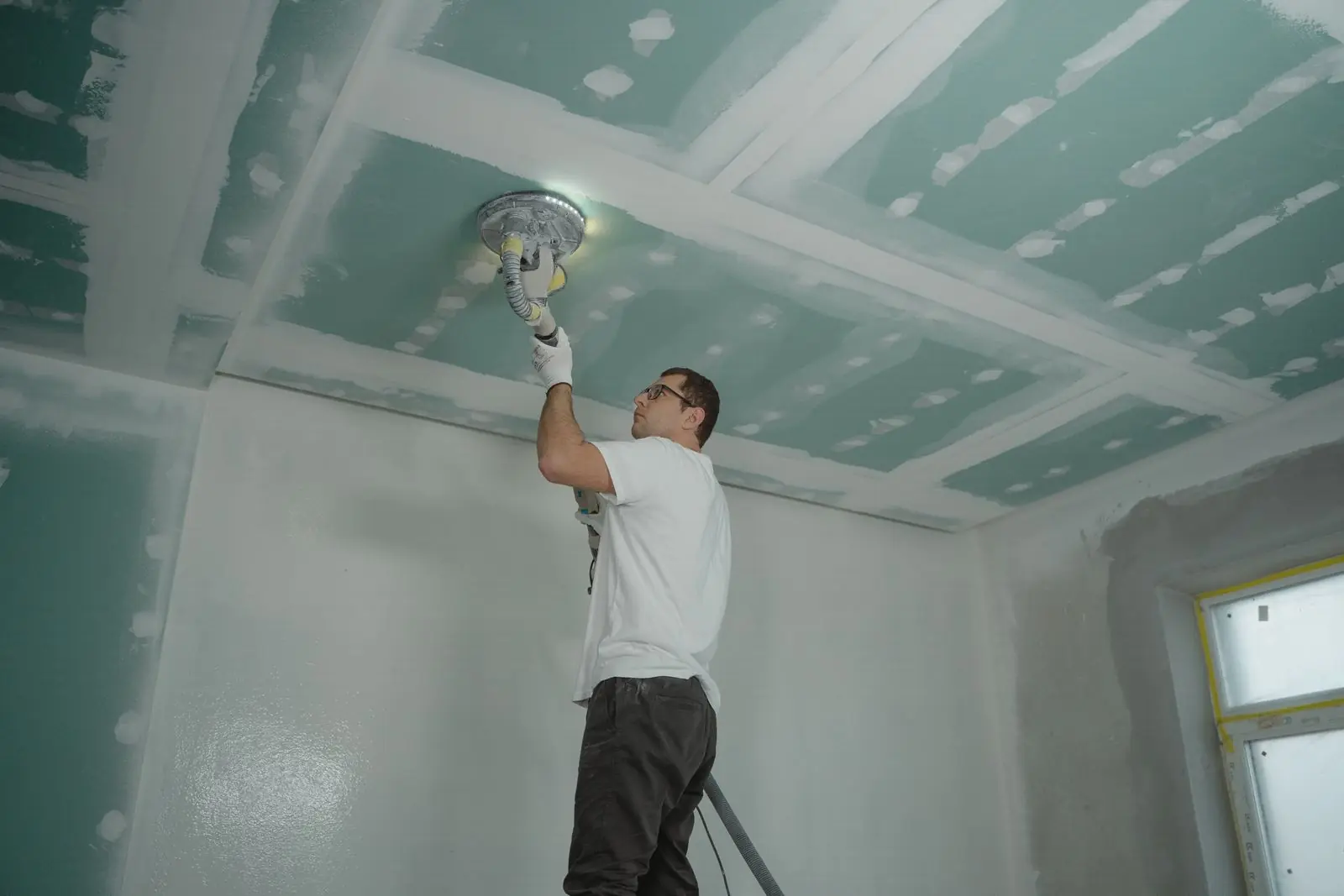
Once drying goals are verified in the Schertz attic, the restoration phase begins: repairing or replacing damaged roof decking, framing, and drywall, and installing new insulation. MH Attics hands off a dry, documented structure so restoration work starts on a sound foundation instead of covering up residual moisture.
Most Schertz attic drying projects run three to seven days, depending on how saturated the framing is, the density of the structural members, and attic airflow. Heavily soaked wood takes longer. MH Attics uses daily moisture meter readings to determine the endpoint rather than guessing from the calendar.
Need attic drying in Schertz, TX? Call (888) 853-1821 to schedule an attic inspection.