Attic Water Damage Cleanup
Complete attic water damage cleanup for Manor homes: debris and damaged-material removal, surface sanitizing, and preparation for the drying phase.
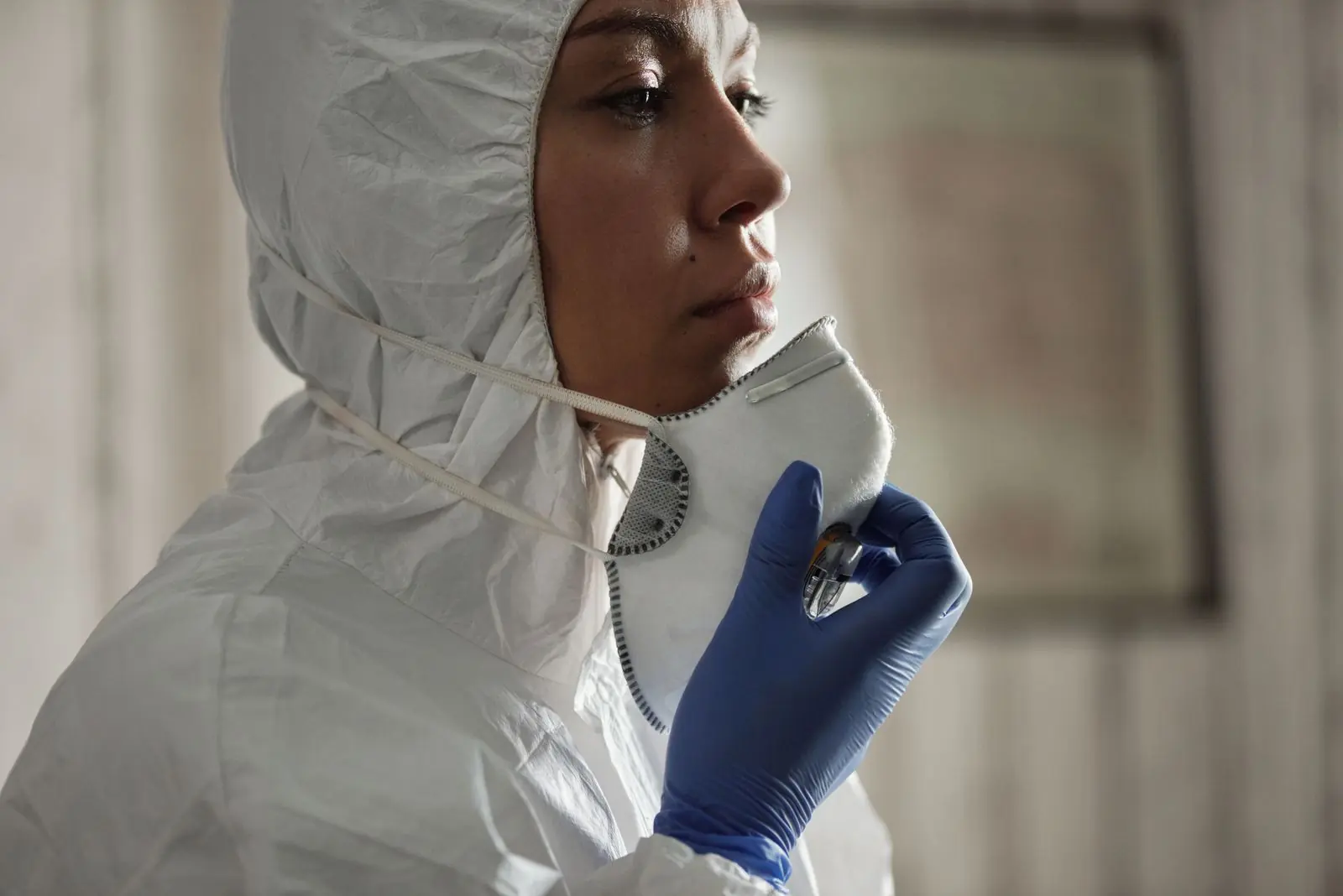
Safe evaluation and removal of saturated attic insulation in Manor homes: containment, disposal, and preparation for new insulation.
Request an InspectionCall (888) 853-1821
Wet Attic Insulation Removal in Manor, TX
Attic insulation gets wet in Manor for familiar reasons: roof leaks that drip steadily onto one area, storm damage that lets rain pour in, pipe leaks that spray or pool, and HVAC condensate overflows. Because insulation hides what is underneath, homeowners often discover the problem only when a ceiling stains or an energy bill spikes. By then, the insulation may have been wet for a long time.
Removal in Travis County addresses the material the water ruined rather than the source that let it in. MH Attics removes saturated and contaminated insulation, disposes of it properly, and leaves the attic clean and ready for drying and eventual re-insulation. The roof, pipe, or HVAC issue that caused the soaking needs its own separate repair. Across Manor, this is a familiar sight after heavy rain seasons.
The three common attic insulation types in Manor respond to water very differently. Fiberglass batts shed water reasonably well and may recover if the exposure was brief, clean, and the batts have not compressed or shifted. Blown cellulose absorbs water readily, mats down, compacts, and dries slowly, which often makes removal the practical choice. Mineral wool resists moisture better than both but can still hold water against framing once saturated.
Condition matters more than type alone. In Manor, any insulation soaked by contaminated water, compressed flat, displaced from its bays, or left wet long enough to support mold growth should be removed regardless of material. MH Attics evaluates saturation, compression, and contamination across the attic before recommending removal, so homeowners get a decision based on what the insulation actually looks like now. In Manor, that honest assessment protects homeowners from paying for removal they do not need, or skipping removal they do.
Drying is not enough when insulation in a Manor attic has lost its structure or its cleanliness. Blown cellulose that has matted into dense clumps will not fluff back to its rated depth, and fiberglass batts that have compressed or torn will not regain their original coverage. Insulation wet long enough to develop odor or visible mold growth is also beyond drying. In Manor, that call is made during the initial evaluation, not after weeks of hoping the material recovers.
Contamination is the other deciding factor in Manor. Insulation soaked by water that passed through roofing debris, rodent-affected areas, or rusted ductwork carries contaminants that drying cannot remove. MH Attics recommends removal in these cases because leaving compromised insulation in place wastes the drying effort: the material keeps feeding moisture and contaminants back into the attic environment.
Safe removal in Manor starts with containment. The attic access is sealed off from living spaces, and technicians use protective equipment because wet insulation, especially older cellulose and fiberglass, releases dust, fibers, and potentially mold spores when disturbed. MH Attics bags the material at the removal point rather than dragging loose insulation through the home.
Removal proceeds bay by bay across the Manor attic, with saturated material vacuumed or manually collected into sealed bags for disposal. Framing, decking, ductwork, and wiring are worked around carefully to avoid damage. Once the insulation is out, the exposed structure can be inspected, sanitized where needed, and accurately moisture-mapped, steps that wet insulation sitting in place would have blocked. That access is one of the main reasons removal comes before drying in the Manor project sequence.
Removed wet insulation from a Manor attic is treated as waste and disposed of properly. Bagged material is hauled out of the home and taken for disposal in accordance with local waste rules. Insulation contaminated with mold growth or other hazards is handled with additional precautions so it does not affect the household or the crew during transport.
Disposal is documented as part of the project record in Manor, which matters for insurance claims tied to the water damage event. MH Attics keeps the removal phase clean and traceable: what came out, how much, and where it went. With the old insulation gone and disposed of, the attic is ready for structural drying and, once dry, for new insulation to be installed to current standards. MH Attics keeps Manor homeowners informed at each step so there are no surprises about what was removed. Coverage depends on the policy, the cause of the loss, exclusions, deductibles and the circumstances; we are not adjusters and cannot promise how your carrier will rule.
New insulation performs only as well as the surface it sits on. In Manor, removing wet insulation exposes the rafters, joists, and roof decking so they can be dried, inspected, and treated before anything new goes in. Installing fresh insulation over damp framing or leftover contaminated material would trap moisture and waste the investment.
The sequence in a Manor attic is: remove the compromised insulation, complete cleanup and sanitizing, dry the structure to verified moisture goals, then install new insulation. MH Attics prepares the attic through each of those steps so that when new insulation goes in, it lands in a clean, dry, documented space. That preparation is what makes the new insulation last and perform as rated. Skipping that preparation to save time almost always costs more later in Manor attic projects.
Complete attic water damage cleanup for Manor homes: debris and damaged-material removal, surface sanitizing, and preparation for the drying phase.
Controlled structural drying for Manor attics using air movers, dehumidifiers, and daily moisture-meter monitoring to verified dry goals.
Full attic restoration for Manor homes: rebuilding damaged framing, decking, and drywall, then installing new insulation to reach pre-loss condition.
Inspect, contain and remediate attic mold growth after water damage, then fix moisture sources to prevent its return.
Fast standing-water removal for Manor attics using pumps and wet vacuums, plus guidance on what drying and cleanup follow next.
Wet attic insulation: when it can be dried and when it must be removed.
Can wet insulation lead to mold? What Texas homeowners should know.
Do you need to replace attic insulation after water damage? Here is how to decide.
Mineral wool resists moisture better than fiberglass or cellulose, but a Manor attic can still saturate it in a major leak. Once fully soaked, mineral wool holds water against framing and decking. MH Attics evaluates its actual condition: clean, structurally intact mineral wool may be dried, while contaminated or long-soaked material is removed.
It is controlled, not messy. In Manor, MH Attics seals the attic access from living spaces, bags material at the removal point, and uses equipment and protective gear suited to dust and fibers. The goal is to get saturated insulation out of the home without spreading dust, fibers, or contaminants into rooms below.
Briefly reducing insulation lowers thermal resistance, but removal in Manor is a temporary phase between water damage and re-insulation. The attic structure itself, decking and roofing, remains in place. MH Attics sequences removal, drying, and re-insulation so the uninsulated period is as short as the project allows.
Yes, in nearly every case. A Manor attic stripped of saturated insulation needs replacement to restore energy performance and meet current standards. MH Attics prepares the attic, clean, dry, and documented, so new insulation can be installed on a sound foundation once drying goals are verified.
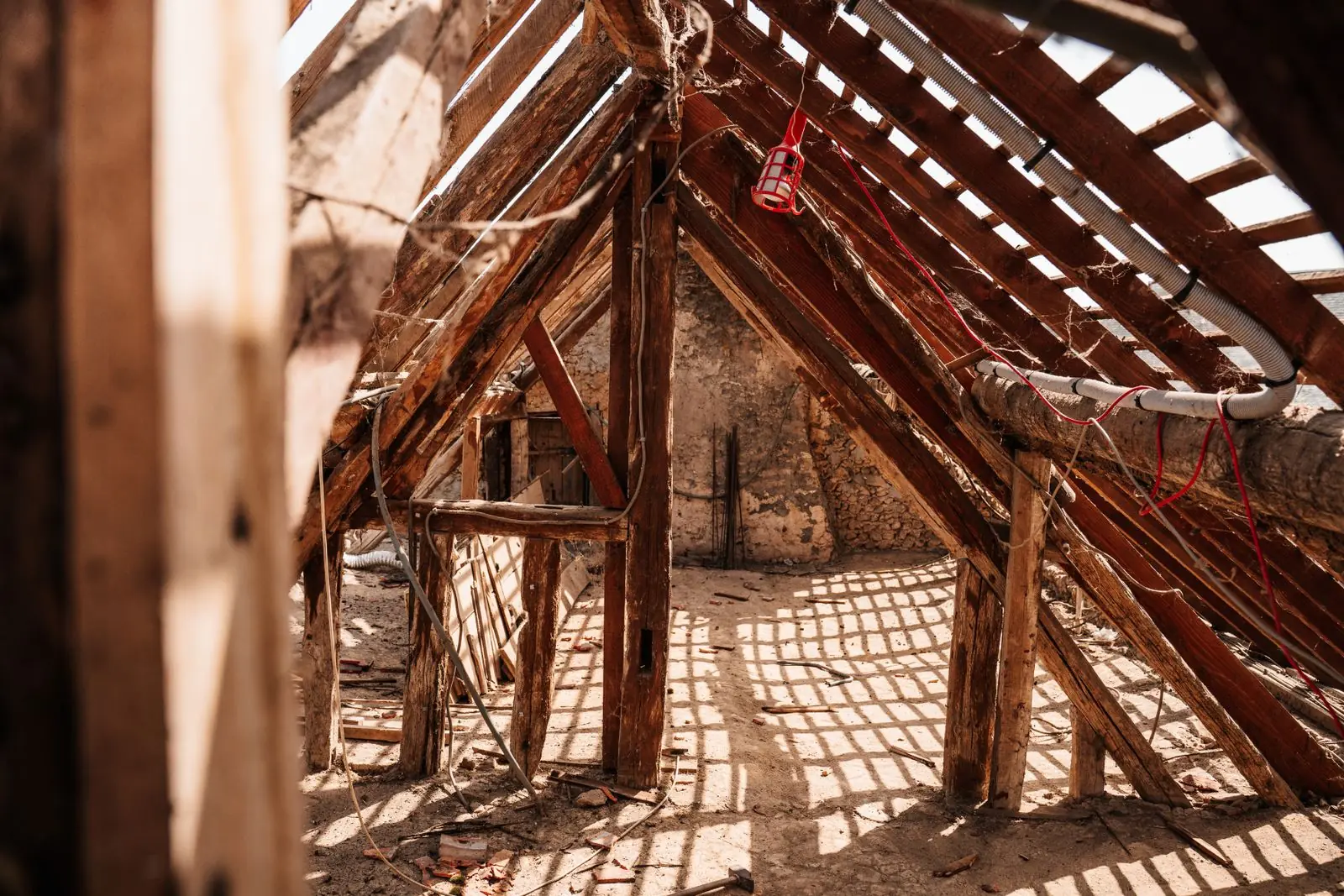
Need wet attic insulation removal in Manor, TX? Call (888) 853-1821 to schedule an attic inspection.