Loft Water Damage Cleanup
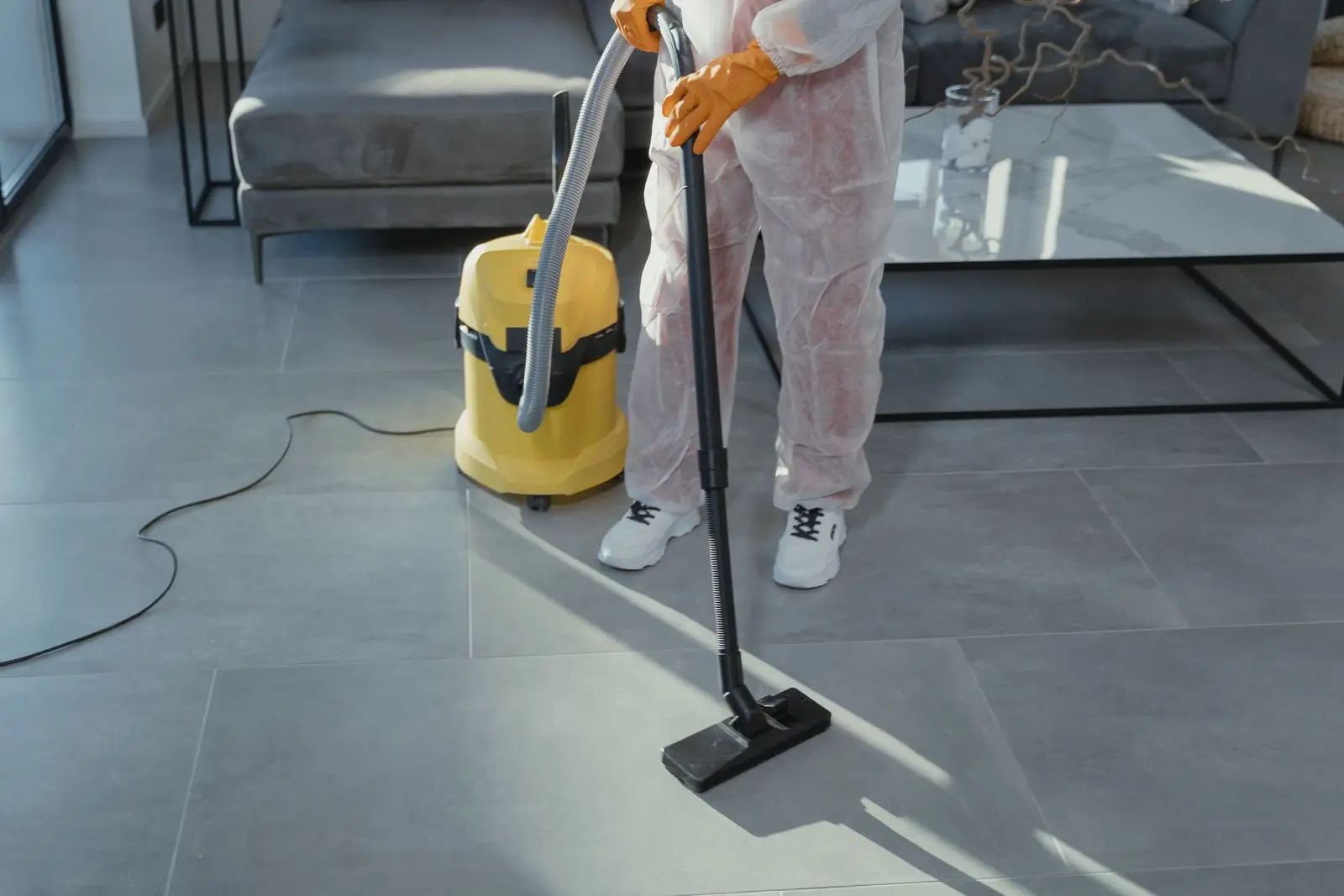
Water cleanup for finished Leander lofts: extraction, contents protection, sanitizing, and drying prep for converted attic living spaces.
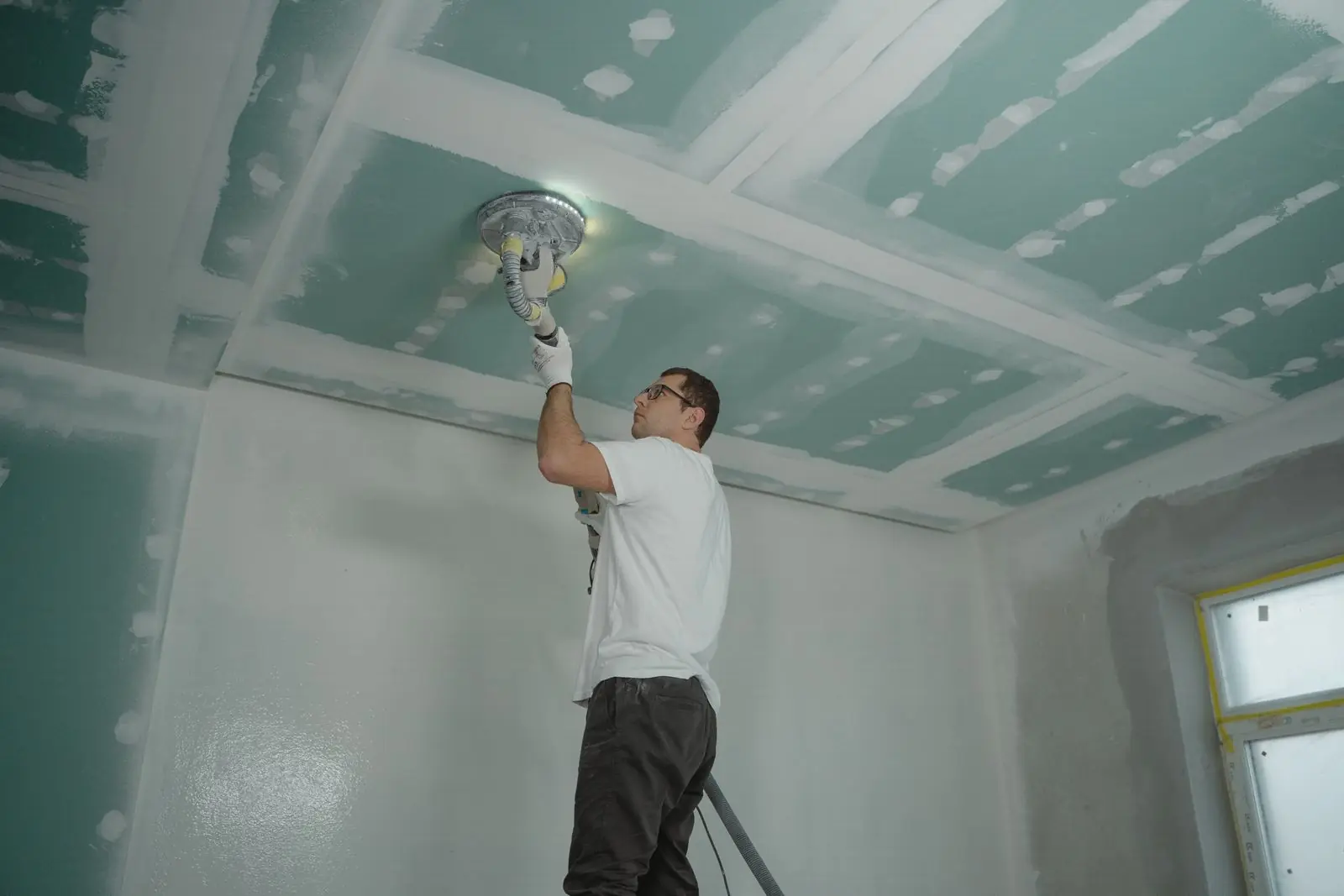
Full restoration of water-damaged lofts in Leander: drywall, insulation, flooring, trim, and paint rebuilt to pre-loss condition with careful finish matching.
Request an InspectionCall (888) 853-1821
Loft Water Damage Restoration in Leander, TX
Homeowners sometimes ask whether they can skip straight from cleanup to paint. In a Leander loft, the answer is no, and the reason is what you cannot see: insulation behind finished walls that soaked up water, framing that needs to reach dry standards, and subflooring that must be flat and dry before new flooring goes down. Paint is the last step, never the first.
Proper restoration sequencing protects your investment in the rebuild. Insulation goes in before drywall closes the walls, flooring goes in after paint to avoid damage, and every transition gets the trim and caulk that make it look intentional. For loft water damage restoration in Leander, MH Attics follows that order every time, verifying dryness at each stage before moving on.
Restoration rebuilds everything the water ruined, in the order the assemblies demand. A full loft restoration typically touches every layer of the finished room, from insulation behind the walls to the final coat of paint. This matches what turns up in attics throughout Leander.
Not every project needs every item; a small leak might mean one wall and a flooring section, while a major intrusion rebuilds the whole room. In Leander, MH Attics scopes loft water damage restoration in Leander from documented damage and moisture readings, so the proposal covers what is needed, nothing padded and nothing skipped.
Insulation hidden behind loft drywall is often the most damaged material in the assembly and the least visible. Fiberglass batts that soaked up water compress, mat down, and lose their insulating value permanently; they cannot be fluffed back to life. Worse, wet insulation held against framing and the back of drywall keeps those materials damp long after the room looks dry. This matches what turns up in attics throughout Leander.
The fix is removal and replacement, done while walls are open. Damaged batts come out with the ruined drywall, the cavity is verified dry, and new insulation goes in fitted tightly with no gaps or compression. In sloped loft ceilings, proper placement also preserves the ventilation channel the roof needs to stay healthy. Attics in Leander tend to follow this progression once water gets in.
During loft water damage restoration in Leander, MH Attics treats insulation replacement in Leander walls as non-negotiable whenever water reached the cavity, because burying wet insulation behind new drywall guarantees future trouble.
Drying, always, with verification before a single new board goes in. Closing wet framing behind new drywall traps moisture where it feeds mold and rots lumber silently for years. Professional drying uses dehumidifiers and airflow monitored with moisture meters, and rebuilding starts only when readings across framing, subfloor, and remaining drywall meet dry standards. This matches what turns up in attics throughout Leander.
This discipline is what separates restoration from a cosmetic cover-up. A freshly painted loft over damp cavities will blister, smell, and eventually show mold at the seams, and the second repair costs more than doing it right once. Homeowners in Leander should expect their contractor to show moisture readings, not just promise the walls are dry.
MH Attics builds loft water damage restoration in Leander on documented dryness at every stage, so the Leander rebuild starts from proven numbers rather than assumptions.
Matching is the craft half of restoration. Drywall texture gets replicated to blend with surrounding walls, whether that is smooth finish, orange peel, or knockdown. Paint is matched to the existing color and sheen, with whole walls repainted corner to corner when a patch would show a line. Trim profiles are matched or milled to copy what is already in the room. This matches what turns up in attics throughout Leander.
Flooring takes the most judgment. New boards or planks must blend with existing runs in color and wear, which sometimes means refinishing a larger area so the repair disappears. In older Leander lofts with discontinued materials, sourcing the closest match takes legwork and honest discussion before anything is ordered.
MH Attics sources the closest match for loft water damage restoration in Leander and walks Leander homeowners through the options, so there are no surprises at installation and the finished room reads as one continuous space.
Expect a work zone. The loft becomes a construction area with dust containment, tools, and material deliveries, and drying equipment may still run during early rebuild stages. A clear daily plan keeps disruption predictable: what gets done, what stays off-limits, and when inspections or material deliveries are scheduled. Most homeowners remain in the home throughout, using other rooms while the loft is rebuilt. This matches what turns up in attics throughout Leander.
Expect communication too. A written scope, a sequence of phases, and updates when hidden damage changes the plan are the marks of a professional job. The final walkthrough covers every repair, every finish, and the moisture documentation proving the assemblies are dry before sign-off. Attics in Leander tend to follow this progression once water gets in.
For loft water damage restoration in Leander, MH Attics closes out Leander projects only when the loft is genuinely ready to live in again, with finishes matched and paperwork complete.
Water cleanup for finished Leander lofts: extraction, contents protection, sanitizing, and drying prep for converted attic living spaces.
Standing water removed from finished loft spaces in Leander: fast extraction that protects hardwood, carpet, and finishes while setting up proper drying.
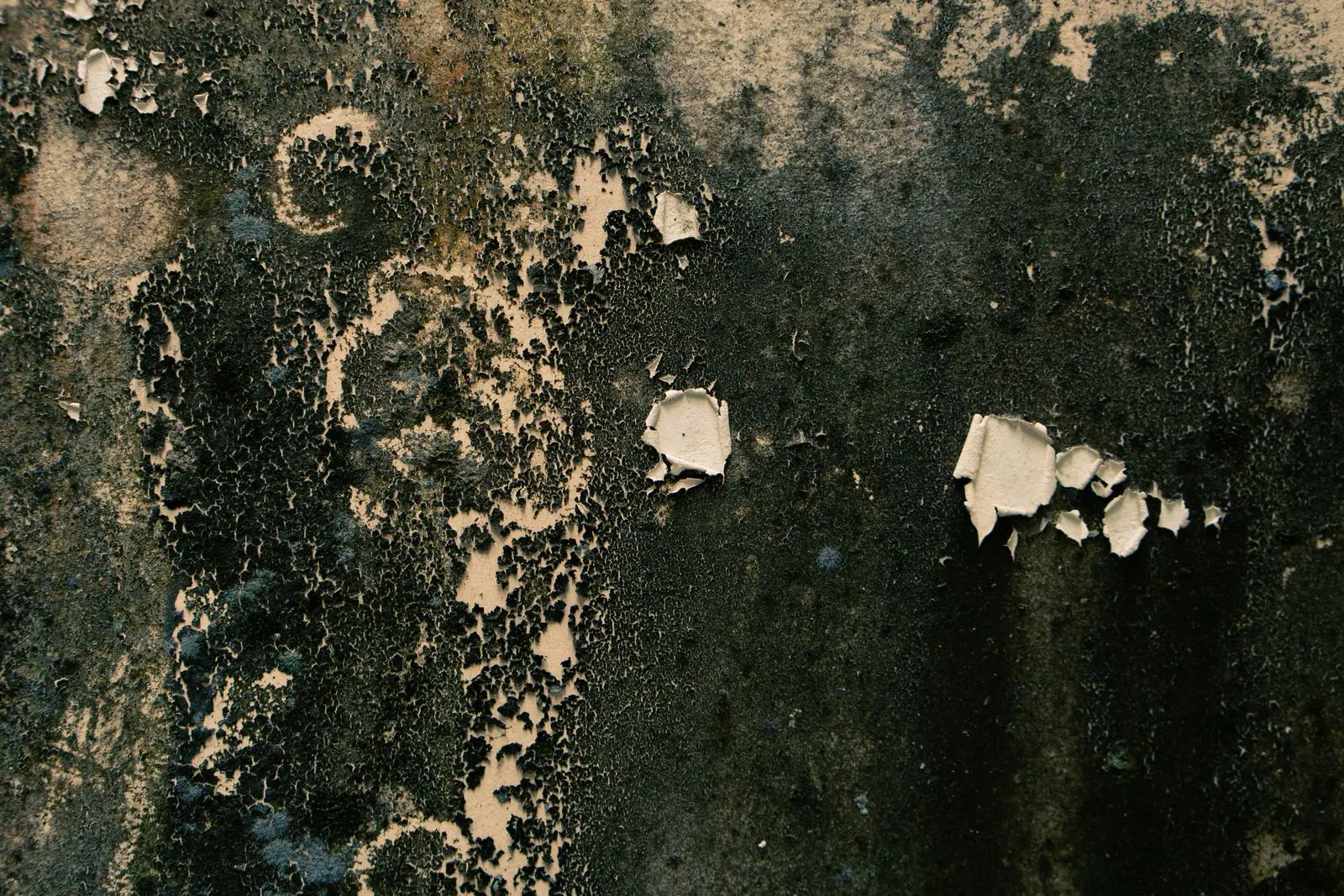
Mold assessment and remediation for finished lofts in Leander: containment, removal from behind drywall and under flooring, and prevention.
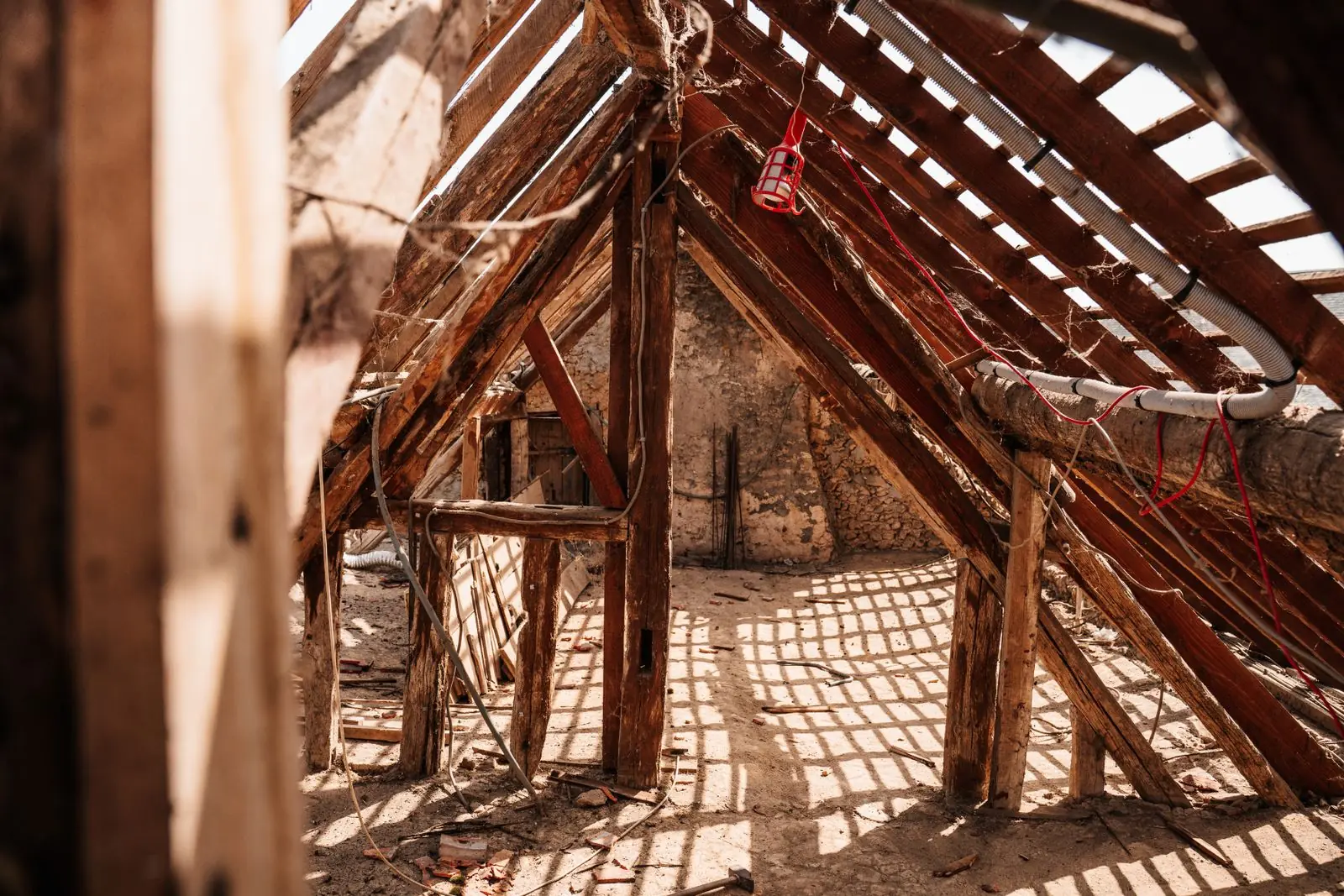
Full attic restoration for Leander homes: rebuilding damaged framing, decking, and drywall, then installing new insulation to reach pre-loss condition.
Controlled structural drying for Leander attics using air movers, dehumidifiers, and daily moisture-meter monitoring to verified dry goals.
What drives attic water damage repair costs in Texas, and how to plan.
What homeowners can safely handle themselves, and what needs a professional.
Fixing the roof but leaving wet insulation behind creates bigger problems later.
It depends on scope: a single wall and flooring section may take days, while a full-room rebuild with custom trim takes weeks. Drying time comes first and cannot be rushed. During loft water damage restoration in Leander, you will get a phased schedule after drying is verified, so the timeline reflects reality, not guesswork.
That is the goal, and it drives material selection and craftsmanship. Texture, paint color and sheen, trim profiles, and flooring are all matched to existing finishes, with larger blend areas painted or refinished when needed. MH Attics approaches loft water damage restoration in Leander as finish work, and the final walkthrough is your chance to verify the match.
Soaked insulation behind finished walls is replaced, not dried in place. Wet batts lose their loft and insulating value permanently and hold moisture against framing. Replacement happens while walls are open, with the cavity verified dry first. In loft water damage restoration in Leander, new insulation goes into every cavity that water reached.
Often yes, and restoration is a natural moment to do it. If flooring or paint needs replacing anyway, upgrading the material is usually straightforward and only changes material cost. Discuss upgrades before the scope is finalized. For loft water damage restoration in Leander, MH Attics can price both like-for-like and upgraded options so you can compare.
Need loft water damage restoration in Leander, TX? Call (888) 853-1821 to schedule an attic inspection.