Attic Water Damage Cleanup
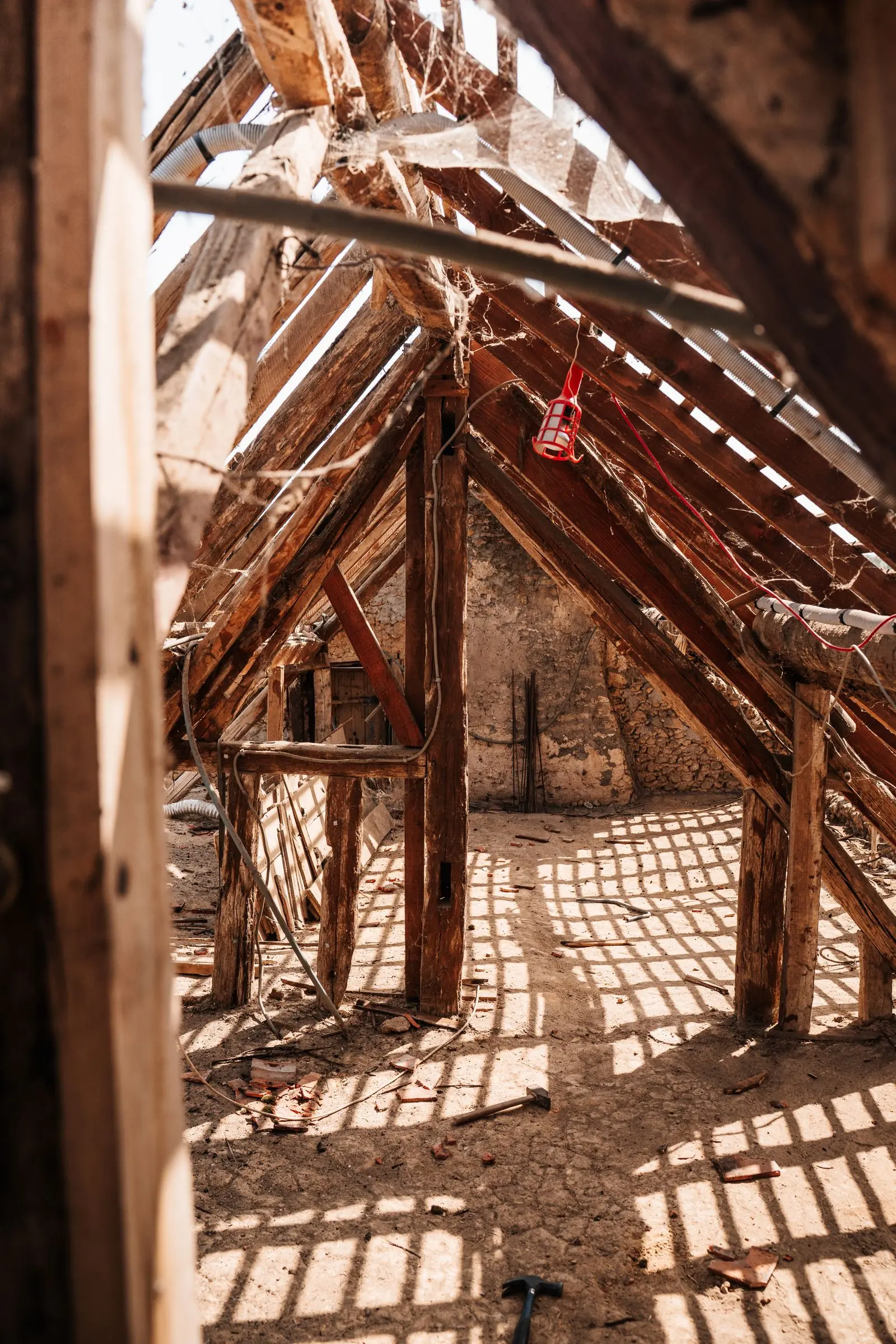
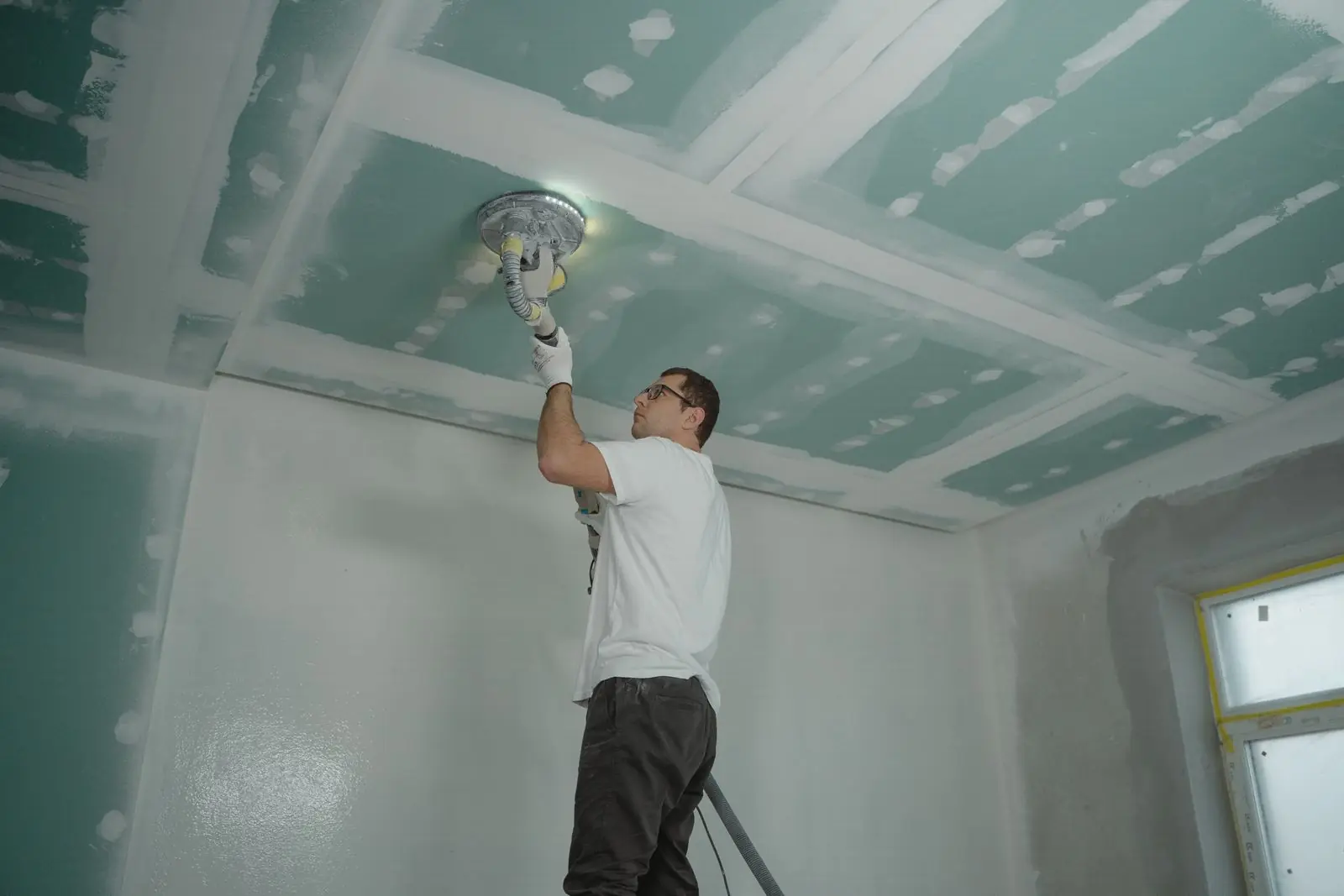
Complete attic water damage cleanup for Galveston homes: debris and damaged-material removal, surface sanitizing, and preparation for the drying phase.
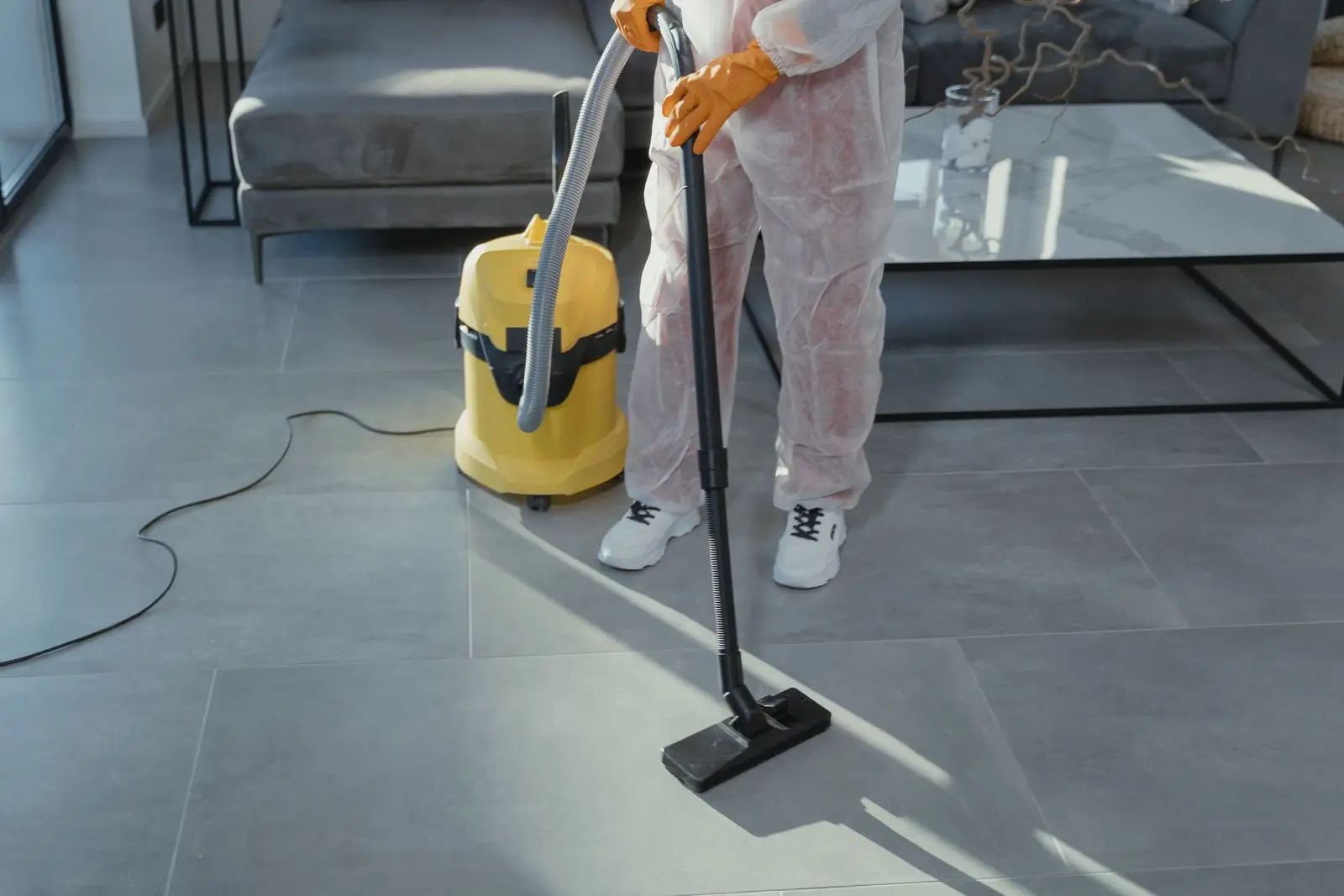
Fast standing-water removal for Galveston attics using pumps and wet vacuums, plus guidance on what drying and cleanup follow next.
Request an InspectionCall (888) 853-1821
Attic Water Extraction in Galveston, TX
Homeowners sometimes assume a wet attic will dry on its own once the leak stops. In Galveston, that assumption is risky when standing water is present: pools of water keep humidity extremely high, prevent drying equipment from working on the structure, and can overwhelm a ceiling in the rooms below. Extraction is the step that makes everything after it possible.
Calling for professional extractionincluding nearby Texas City, La Marque and Seabrook is the right move whenever you can see or hear water pooled in the attic, or when a ceiling bulges or drips. MH Attics removes the bulk water with pumps and wet vacuums, then assesses what cleanup and drying the attic needs next. Acting quickly at this stage saves significant cost and damage downstream. It is the fastest way to stabilize the situation.
Attic water extraction is the removal of standing and accumulated liquid water from an attic using pumps and wet vacuums. In Galveston, it is the first response when a roof failure, burst pipe, or HVAC overflow leaves pooled water above the ceiling. The goal is simple: get every gallon of liquid water out before it spreads further into insulation, framing, and the living space below.
Extraction is distinct from drying. Drying removes residual moisture from materials with air movers and dehumidifiers; extraction removes actual liquid water. In Galveston, attempting to dry an attic that still holds standing water wastes time and lets damage spread. MH Attics completes extraction first so that cleanup crews and drying equipment start from the best possible conditions. In Galveston, skipping this step and going straight to drying is a common mistake that extends the project by days.
In Galveston, standing water settles wherever gravity and the attic layout send it: low spots in the attic floor, the valleys between ceiling joists, behind HVAC ductwork and air handlers, and along the eaves where framing blocks drainage. Insulation acts like a sponge in these spots, hiding pooled water underneath a surface that looks merely damp.
Water can also travel. In a Galveston attic, water entering at one point on the roof can run along the underside of the decking or along a rafter and pool several feet away from the entry point. MH Attics maps the full extent of accumulation during extraction, checking behind equipment and at the eaves. Finding every collection point matters because one missed pool keeps feeding moisture into the structure. A complete extraction survey in Galveston leaves no bay, valley, or eave unchecked.
For deeper pooling in a Galveston attic, portable submersible or utility pumps move large volumes of water quickly through hoses routed out of the attic, often through a gable vent or access hatch. Pumps handle the bulk removal: inches of standing water across the attic floor. MH Attics sizes the pumping setup to the volume present so extraction does not drag on for hours.
Wet vacuums follow for what pumps cannot reach: shallow accumulation, water trapped in insulation valleys, and tight spaces around ductwork and framing in the Galveston attic. Technicians work section by section, extracting free water from saturated insulation and surfaces. The combination of pumps for volume and vacuums for detail leaves the attic free of liquid water and ready for the cleanup phase. That two-stage approach is standard practice for Galveston attics of any size.
Extraction is needed whenever liquid water is pooled or visibly accumulated in the Galveston attic. If you can see water standing, hear sloshing in saturated insulation, or find a bulging, dripping ceiling below, drying equipment alone will not solve the problem. Air movers and dehumidifiers are designed for moisture inside materials, not for gallons of free water.
Drying alone is appropriate in Galveston only when the attic is damp but holds no standing water: residual moisture in framing and decking after the liquid has been removed or after a minor leak with no pooling. MH Attics assesses each attic to determine which is needed, and many projects require both in sequence. Skipping extraction when pooled water exists guarantees a longer, less effective drying phase. When in doubt, a Galveston homeowner should assume extraction is needed and have the attic assessed.
After extraction in Galveston, the attic still needs significant work. Wet insulation, damaged drywall, and debris must be removed during the cleanup phase, and residual moisture in rafters, joists, and roof decking must be removed through controlled drying with air movers, dehumidifiers, and moisture meters. Extraction removes the liquid; it does not dry the structure.
MH Attics serving Galveston documents conditions after extraction, including moisture readings that establish a baseline for the drying phase. The source of the water, whether roof damage, plumbing, or HVAC, must also be repaired so the attic does not flood again. With extraction complete, cleanup and drying can proceed efficiently toward full restoration of the space. Rushing into rebuilding before these middle phases finish is one of the most common and costly mistakes in Galveston attic projects.
Complete attic water damage cleanup for Galveston homes: debris and damaged-material removal, surface sanitizing, and preparation for the drying phase.
Controlled structural drying for Galveston attics using air movers, dehumidifiers, and daily moisture-meter monitoring to verified dry goals.
Measure moisture in attic rafters, joists, trusses and decking, then dry the structure in place to verified standards.
Safe evaluation and removal of saturated attic insulation in Galveston homes: containment, disposal, and preparation for new insulation.
Full attic restoration for Galveston homes: rebuilding damaged framing, decking, and drywall, then installing new insulation to reach pre-loss condition.
Found water in your attic? A step-by-step guide to staying safe and limiting damage.
What to check in your attic after a storm, and when to call a professional.
Spot attic water damage before it reaches your ceiling with these warning signs.
MH Attics uses portable pumps for deeper standing water in Galveston attics, moving bulk volume out through hoses, and wet vacuums for shallow accumulation and tight spaces around ductwork and framing. The two tools work in sequence: pumps for volume, vacuums for detail and trapped pockets.
Only if there is no standing water. In Galveston, air movers and dehumidifiers handle moisture inside materials, not pooled liquid. If you can see standing water or hear sloshing in saturated insulation, extraction must come first; drying equipment cannot remove gallons of free water.
No. Extraction in Galveston removes water; it does not cut into or alter the structure. Hoses are routed carefully through vents or access points, and technicians work around framing and ductwork. Any damaged materials discovered during extraction are addressed in the cleanup phase that follows.
MH Attics inspects the full Galveston attic during extraction: low spots, joist valleys, areas behind ductwork, and eaves where framing traps water. Insulation is probed because it can hide pooled water beneath a merely damp surface. Moisture meters confirm which areas hold free water versus residual dampness.
Need attic water extraction in Galveston, TX? Call (888) 853-1821 to schedule an attic inspection.