Attic Water Extraction
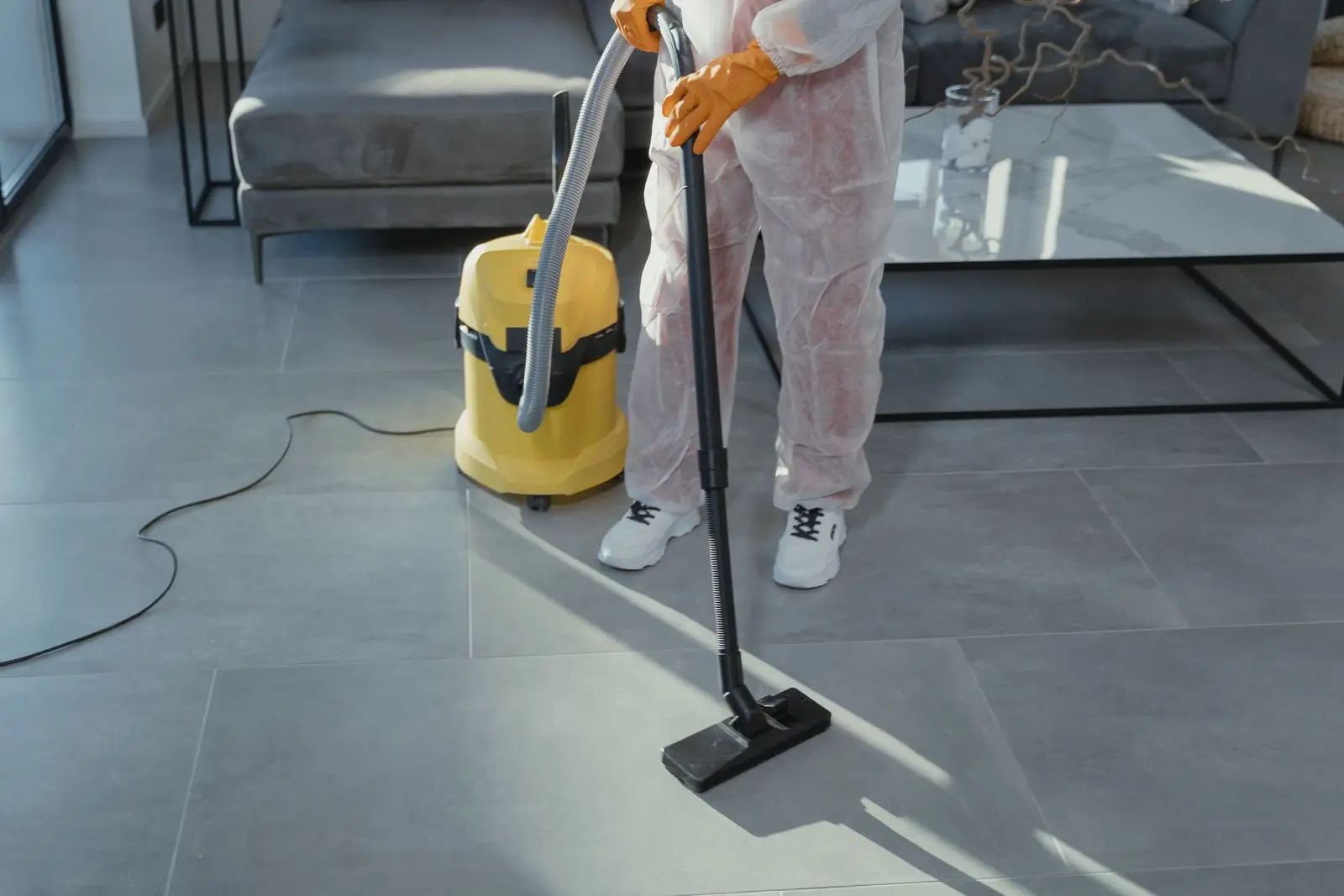
Fast standing-water removal for Dripping Springs attics using pumps and wet vacuums, plus guidance on what drying and cleanup follow next.
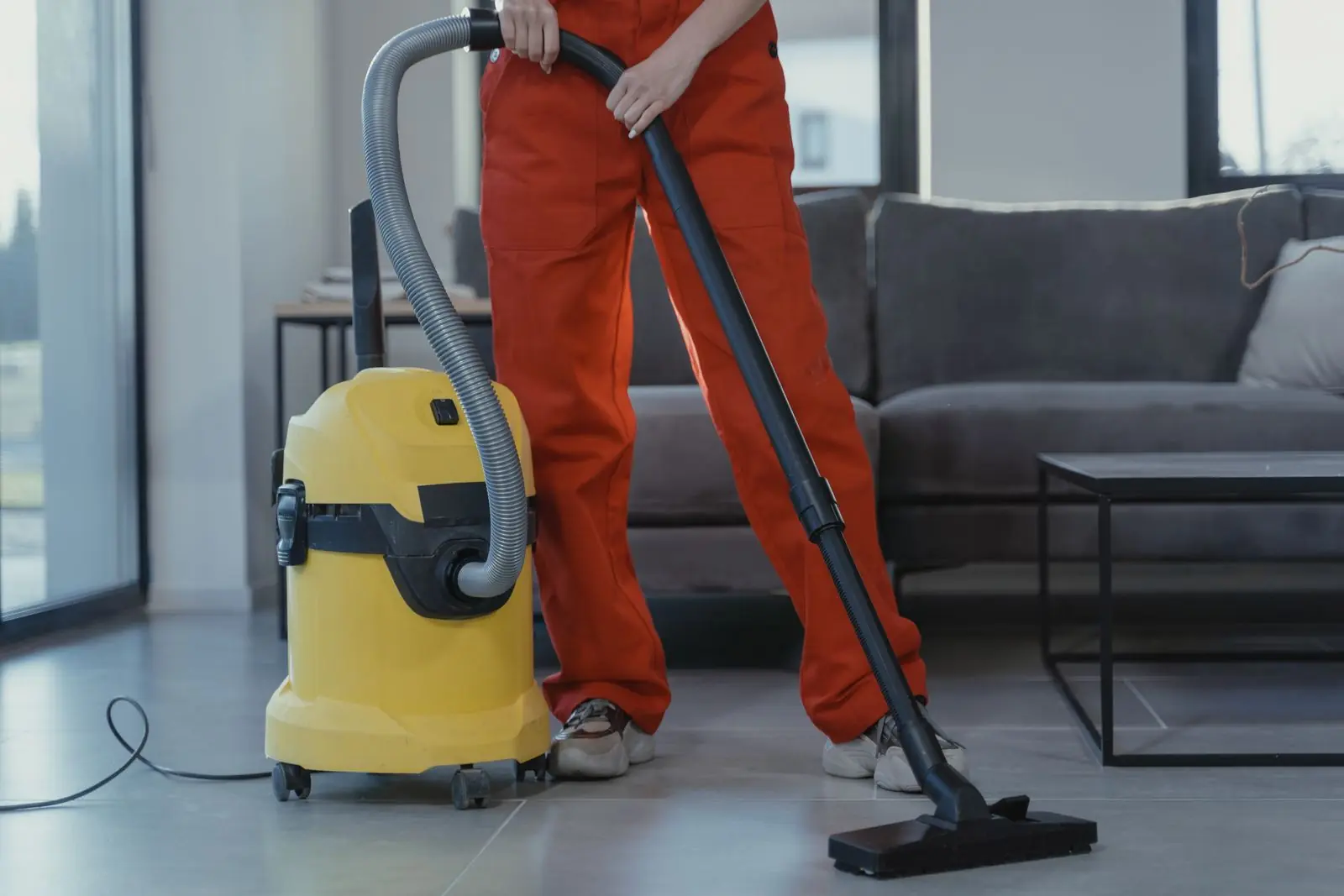
Complete attic water damage cleanup for Dripping Springs homes: debris and damaged-material removal, surface sanitizing, and preparation for the drying phase.
Request an InspectionCall (888) 853-1821
Attic Water Damage Cleanup in Dripping Springs, TX
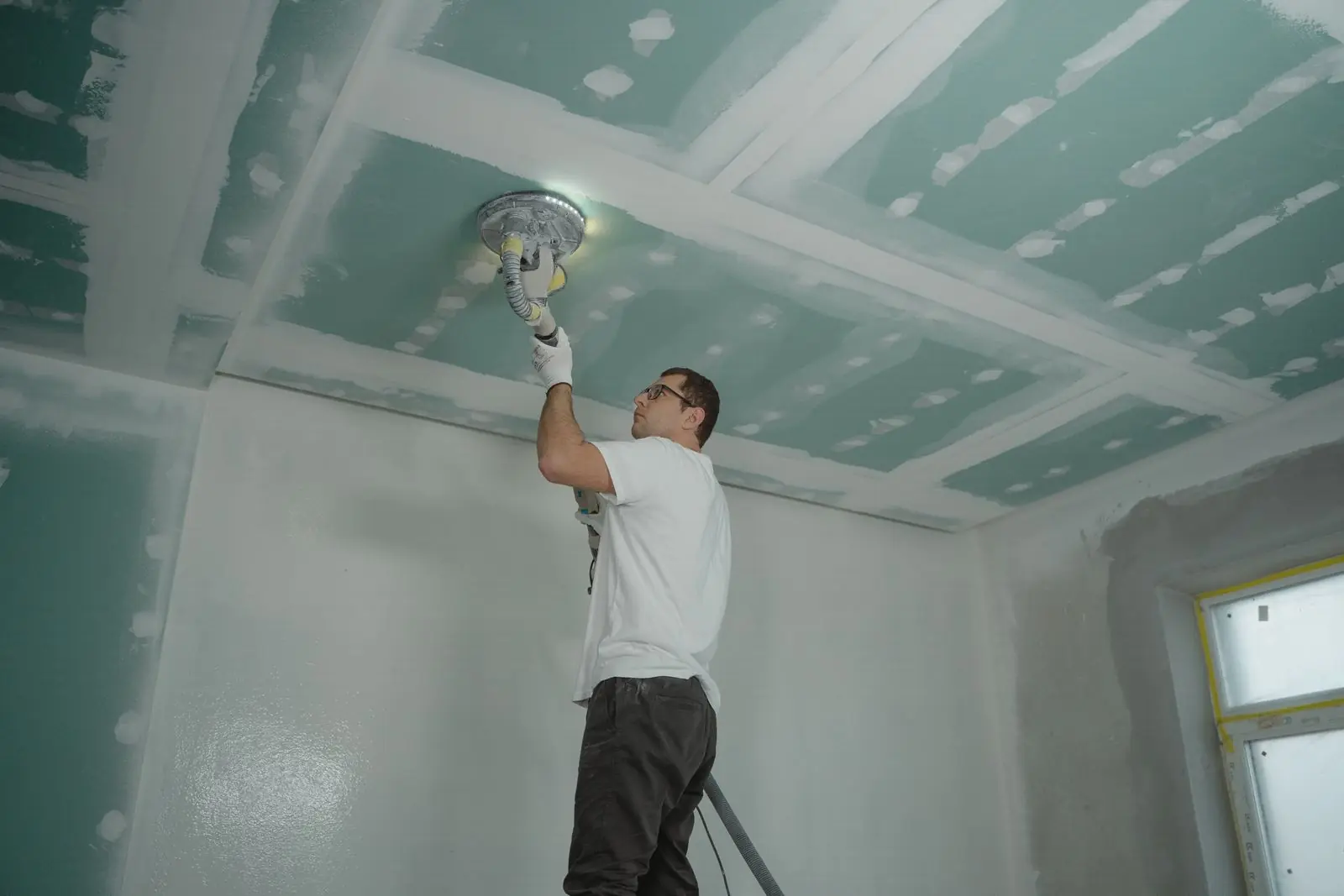
A proper attic cleanup follows a defined process, not guesswork. In Dripping Springs, we start by identifying every surface and material the water touched, including insulation, drywall, framing, and stored items, then remove what cannot be saved and sanitize what can. Photographs document the starting conditions for the homeowner's records. Damaged materials are bagged and removed from the home, and the remaining structure is treated to prepare it for drying equipment.
That systematic approach mattersincluding nearby Austin, Buda and Johnson City, because attics are cramped, dark, and hard to inspect completely. Missing a saturated section of insulation or a damp corner behind ductwork means moisture keeps working on the structure after we leave. MH Attics checks the full attic footprint so cleanup is genuinely complete before drying begins.
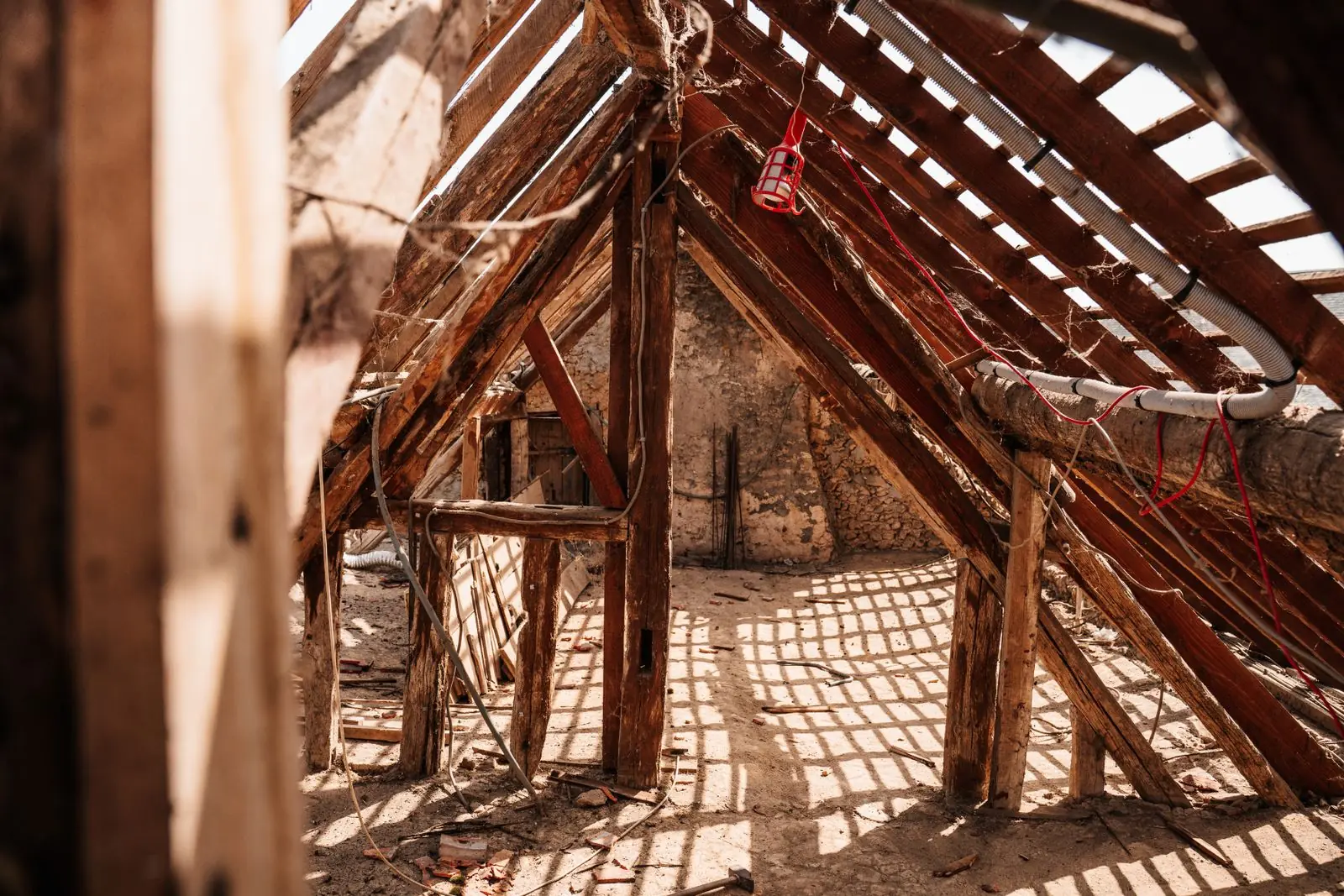
Attic water damage cleanup is the removal of water-damaged debris and materials from the attic, plus sanitizing of affected surfaces, to prepare the space for drying and restoration. In Dripping Springs, a typical cleanup includes hauling out saturated insulation and ruined stored items, removing damaged drywall and debris, and treating exposed framing and decking surfaces. The goal is to leave only clean, sound material behind. In Dripping Springs, attics vary widely in size and layout, so the crew sizes the effort to the actual affected area rather than applying a one-size-fits-all approach.
Unlike water extraction, which targets standing liquid, cleanup deals with what the water left behind. MH Attics crews serving Dripping Springs bag and remove debris carefully to avoid spreading contaminants through the home, then sanitize the affected surfaces. Once the attic is cleared and treated, moisture readings can be taken accurately and drying equipment can do its job.
In Dripping Springs, the most frequent cause of attic water damage is roof failure: missing or damaged shingles, deteriorated flashing around chimneys, vents, and skylights, and storm-torn sections of roof decking. Rain enters through these openings and spreads across the attic floor and insulation. Texas storms make this a recurring problem, and damage often goes unnoticed until a ceiling stain appears in a room below.
Plumbing and HVAC sources cause attic water damage too. Supply lines and drain pipes routed through attics can leak, and an HVAC air handler or condensate drain in the Dripping Springs attic can overflow when drains clog. Failed soffit or ridge vents can also let wind-driven rain inside. A thorough cleanup starts by noting which source was involved, since the type of water affects how surfaces are treated.
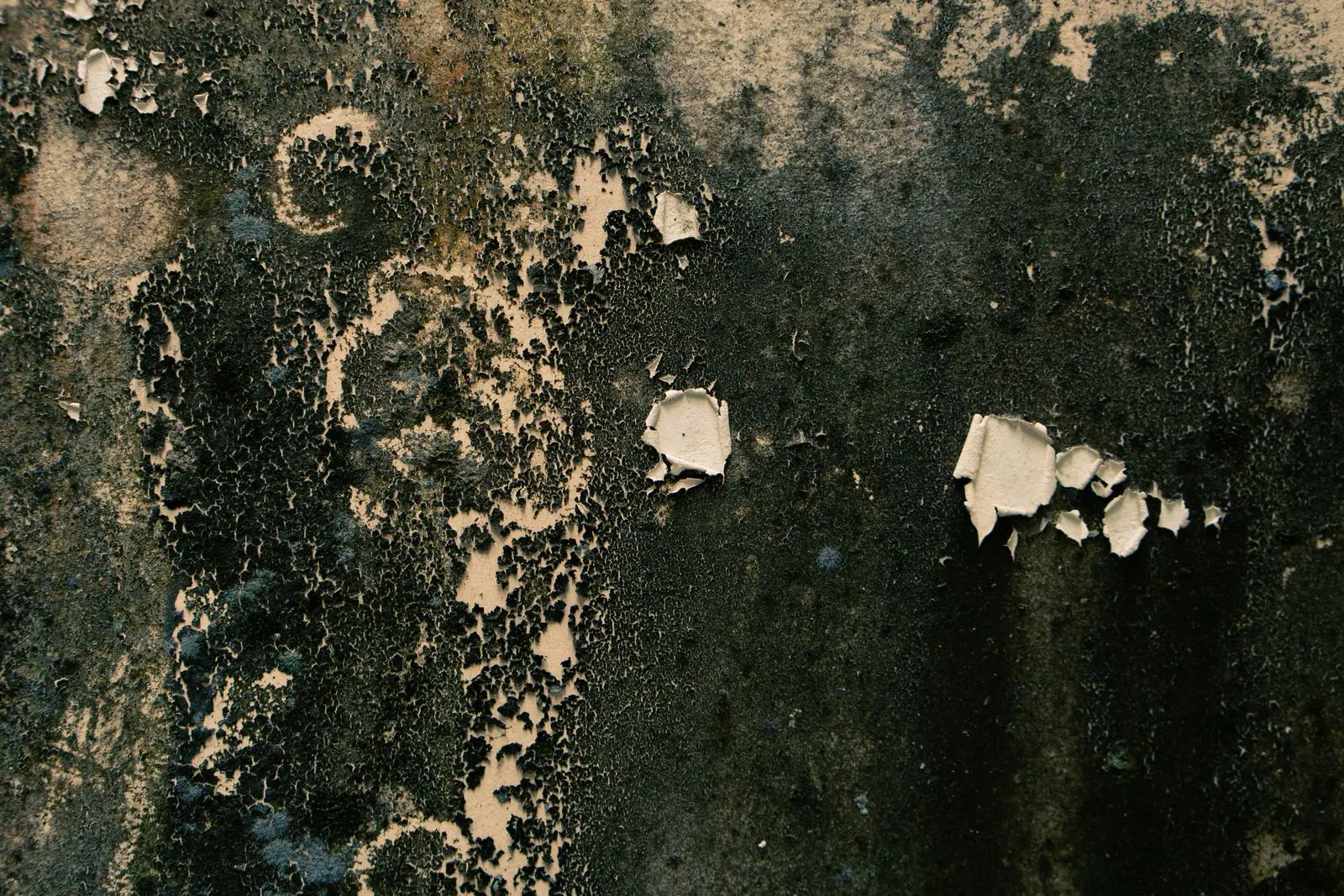
Water that sits in an attic keeps causing damage long after the leak stops. In Dripping Springs, wet insulation compresses and loses its insulating value, drywall softens and crumbles, and moisture wicks into rafters, joists, and roof decking. Warm Texas air makes the attic a favorable environment for mold growth on damp wood and paper-faced materials, sometimes within days. That speed is why waiting to see what happens is the costliest option a Dripping Springs homeowner can choose.
Prompt cleanup in Dripping Springs removes the materials that feed that process before secondary damage sets in. Taking out saturated insulation and debris early also lets drying equipment reach the structural wood directly, which shortens the overall project. MH Attics recommends acting as soon as water intrusion is discovered rather than waiting to see if the attic dries on its own.
The cleanup process in Dripping Springs starts with an inspection of the full attic: every bay of insulation, the roof decking underside, framing members, ductwork, and any stored belongings. MH Attics identifies which materials are salvageable and which must go. Unsalvageable insulation, damaged drywall, and ruined contents are bagged on site and removed from the home to keep dust and contaminants out of living spaces.
After removal, exposed surfaces in the Dripping Springs attic are sanitized with appropriate antimicrobial treatments, and debris such as fallen insulation, wood fragments, and roofing granules is cleared out. The attic is then ready for moisture mapping and drying. A careful cleanup does not skip corners behind equipment or at the eaves, since missed damp spots become problems later. In Dripping Springs, that thoroughness is the difference between a cleanup that holds and one that has to be redone.
Cleanup, extraction, and restoration are three distinct phases of attic water damage work in Dripping Springs. Extraction removes standing and pooled water with pumps and wet vacuums. Cleanup removes the damaged debris and materials the water left behind and sanitizes affected surfaces. Restoration rebuilds what was destroyed: replacing roof decking, framing, drywall, and insulation to return the attic to its pre-loss condition.
The order matters. In Dripping Springs, extraction comes first if standing water is present, then cleanup clears the way, then drying removes residual moisture, and finally restoration rebuilds. MH Attics handles cleanup as its own phase so that drying and rebuilding start from a clean, documented baseline instead of working around leftover debris and contaminated materials. Homeowners in Dripping Springs benefit from understanding this sequence because it explains why each phase is billed and scheduled separately.
Fast standing-water removal for Dripping Springs attics using pumps and wet vacuums, plus guidance on what drying and cleanup follow next.
Controlled structural drying for Dripping Springs attics using air movers, dehumidifiers, and daily moisture-meter monitoring to verified dry goals.
Safe evaluation and removal of saturated attic insulation in Dripping Springs homes: containment, disposal, and preparation for new insulation.
Full attic restoration for Dripping Springs homes: rebuilding damaged framing, decking, and drywall, then installing new insulation to reach pre-loss condition.
Inspect, contain and remediate attic mold growth after water damage, then fix moisture sources to prevent its return.
Found water in your attic? A step-by-step guide to staying safe and limiting damage.
Ten common reasons attics keep getting wet, and how to break the cycle.
What homeowners can safely handle themselves, and what needs a professional.
Extraction removes standing liquid water from the Dripping Springs attic using pumps and wet vacuums. Cleanup deals with what the water left behind: damaged materials, debris, and contaminated surfaces. Extraction typically comes first when pooled water is present, and cleanup follows to clear the attic for drying and restoration.
Small, clean-water spills in an accessible Dripping Springs attic can sometimes be handled by a homeowner, but most attic water damage involves hidden saturation, contaminated materials, and cramped unsafe conditions. Professional cleanup ensures saturated insulation and debris are fully removed and surfaces are properly sanitized before drying begins.
No. Cleanup in Dripping Springs addresses the damage the water already caused; it does not repair the roof, flashing, pipe, or HVAC issue that let the water in. MH Attics focuses the cleanup phase on removal and sanitizing, and the source of the leak should be repaired separately so the problem does not recur.
Saturated insulation that cannot be dried or salvaged is removed during cleanup in Dripping Springs. Fiberglass batts, blown cellulose, and mineral wool all react differently to water, and insulation that has compressed, matted, or been contaminated is taken out and disposed of so it does not trap moisture against the framing.
Need attic water damage cleanup in Dripping Springs, TX? Call (888) 853-1821 to schedule an attic inspection.